
The Mountain Goat Software Blog
Blog articles
Interviewing Scrum Masters can be difficult because the job is harder than most to turn into a checklist of things a candidate needs to know and things a candidate will do. Much of the interviewing for a Scrum Master will be the same as interviewing for any other position,...
A question I’ve been getting a lot lately is whether UI designers should be part of the Scrum team and whether they should do their work as part of an agile sprint. It’s a big topic. So let’s dive right in. The Two Goals of an Agile Sprint There are really two things a team should be doing each sprint: Building new functionality Building new knowledge We all know that teams have to build new functionality...

It’s quite common for a team to have a bit of unfinished work at the end of an agile sprint or iteration. Ideally, a team would finish every item on its sprint backlog every sprint. But, for a variety of reasons, that isn’t always the case. This leads to a couple...
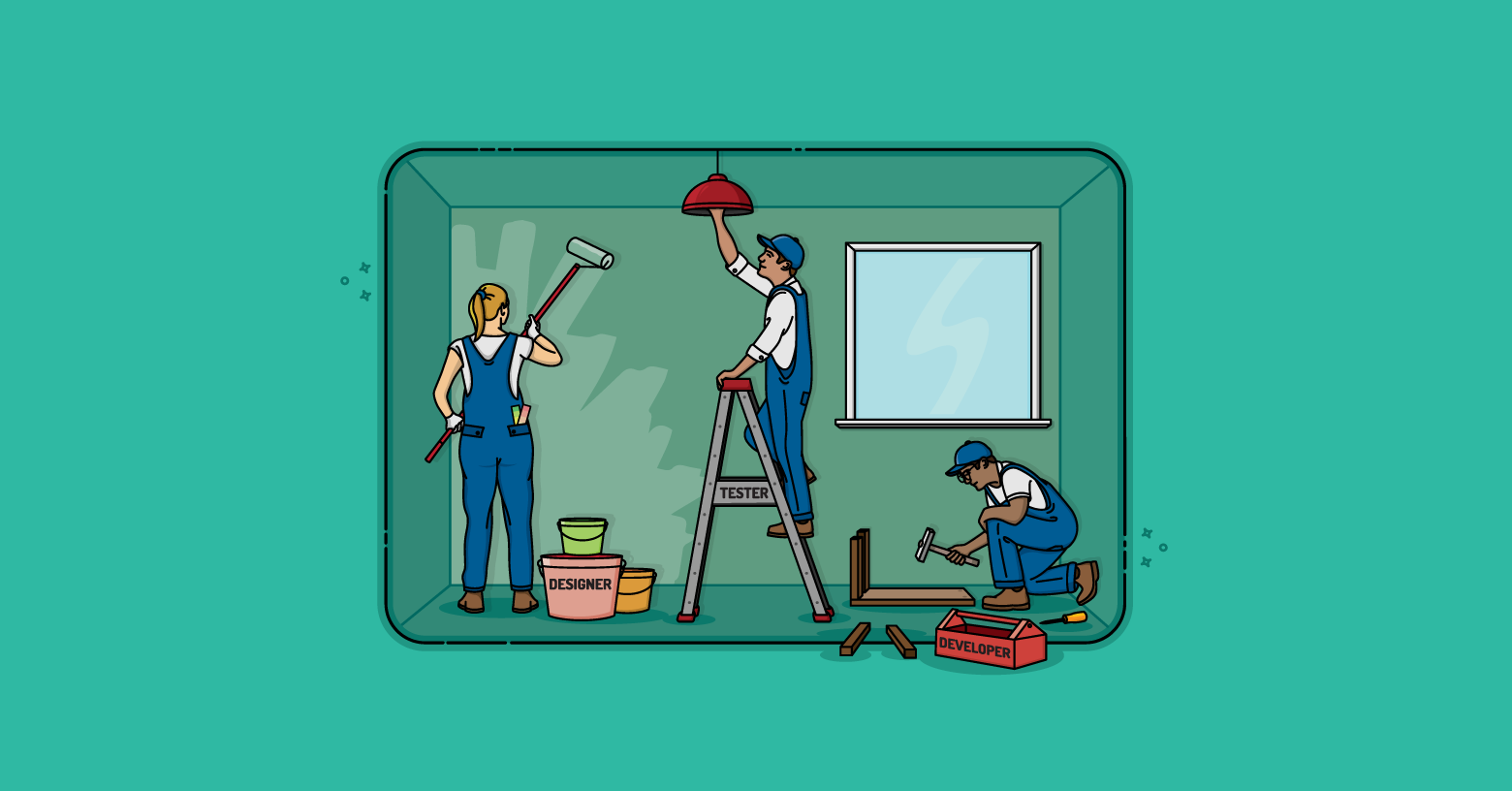
I’ve noticed something disturbing over the past two years. And it’s occurred uniformly with teams I’ve worked with all across the world. It’s the tendency to create an iterative waterfall process and then to call it agile. An iterative waterfall looks something like this: In one sprint, someone (perhaps a business analyst working with a product owner) figures out what is to be built.
A very oft-cited metric is that 64 percent of features in products are “rarely or never used.” The source for this claim was Jim Johnson, chairman of the Standish Group, who presented it in a keynote at the XP 2002 conference in Sardinia. The data Johnson presented can be seen in the following chart...
It is good practice to first write large user stories (commonly known as epics) and then to split them into smaller pieces, a process known as <> When product backlog items are split, they are often re-estimated. I’m often asked if the sum of the estimates on the smaller stories...

User stories are great. When you’ve got users, that is. Sometimes, though, the users of a system or product are so far removed that a team struggles to put users into their stories. A sign that this is happening is when teams write stories that begin with “As a developer...” or “as a product owner....”...
In general, a Scrum product owner's job is to specify what to build, not how to build it. Read this blog from Mike Cohn to understand when and why it is OK for agile product owners to make some architectural decisions.
I see too many teams and product owners obsessing over their entire product backlogs. You do…
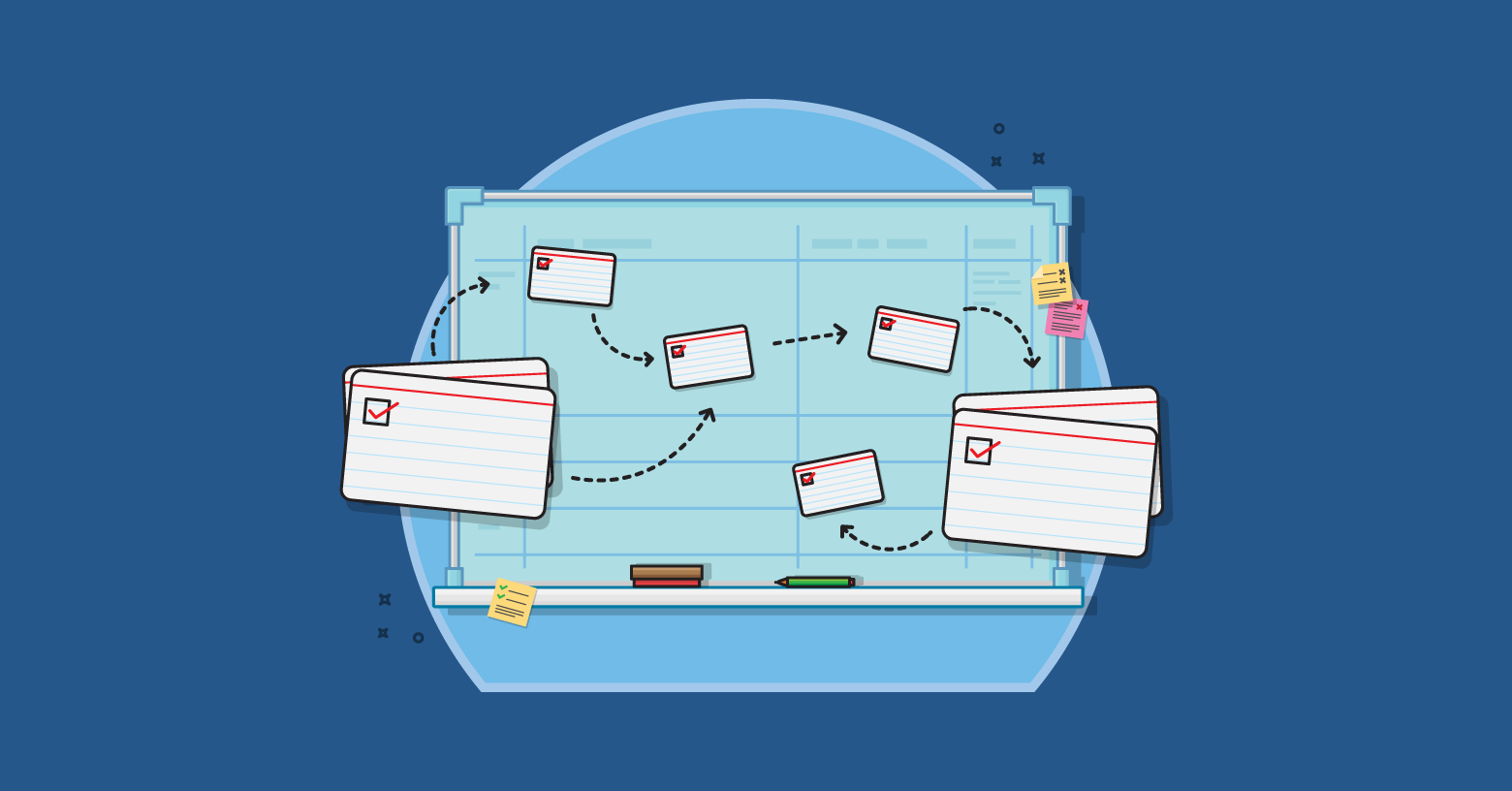
Learn about product backlog refinement: how, when, and why the agile team and product owner refine the product backlog in Scrum.
During a sprint retrospective, team members gather and discuss ways in which they can improve. This should include the ScrumMaster...
An important consideration in capacity-driven planning is how full to fill the sprint. To answer that, we need to understand that a sprint includes three types of time. The first type of time is corporate overhead. Corporate overhead...