
The Scrum Framework
Scrum helps teams deliver valuable work in short, focused cycles called sprints.
Use this guide to understand how Scrum works, how the Scrum Team, meetings, and artifacts fit together, and how teams use Scrum to learn and adapt as they build.
Scrum is simple enough to describe quickly, but it takes judgment to apply well. The goal is to create enough transparency, feedback, and adaptation for the team to make better decisions, not to perform Scrum mechanically.
Who This Guide Is For
This guide is for people who want to understand Scrum or improve how Scrum is working on a real team.
It is especially useful for:
- People new to agile or Scrum who want a clear starting point
- Scrum Masters helping teams move beyond mechanical Scrum
- Product Owners working to improve product decisions and stakeholder feedback
- Developers, testers, analysts, designers, and other specialists working inside sprints
- Managers, leaders, and coaches trying to understand what Scrum should make visible
- Teams using Scrum roles and meetings but not yet getting the learning, focus, or adaptability they expected
Scrum is small, but the pieces are connected. This guide focuses on the purpose behind the framework so teams can make better decisions when real work gets messy.
In This Guide
This guide explains what Scrum is, why it is a framework rather than a complete methodology, and how Scrum Teams use sprints, accountabilities, meetings, artifacts, and increments to inspect and adapt.
You will also learn how the pieces of Scrum fit together, common problems that weaken Scrum, how to tell whether Scrum is helping your team learn, and where to go next for deeper guidance on Scrum roles, meetings, artifacts, user stories, planning, and team improvement.
What Is Scrum?
Scrum is an agile framework for managing complex work.
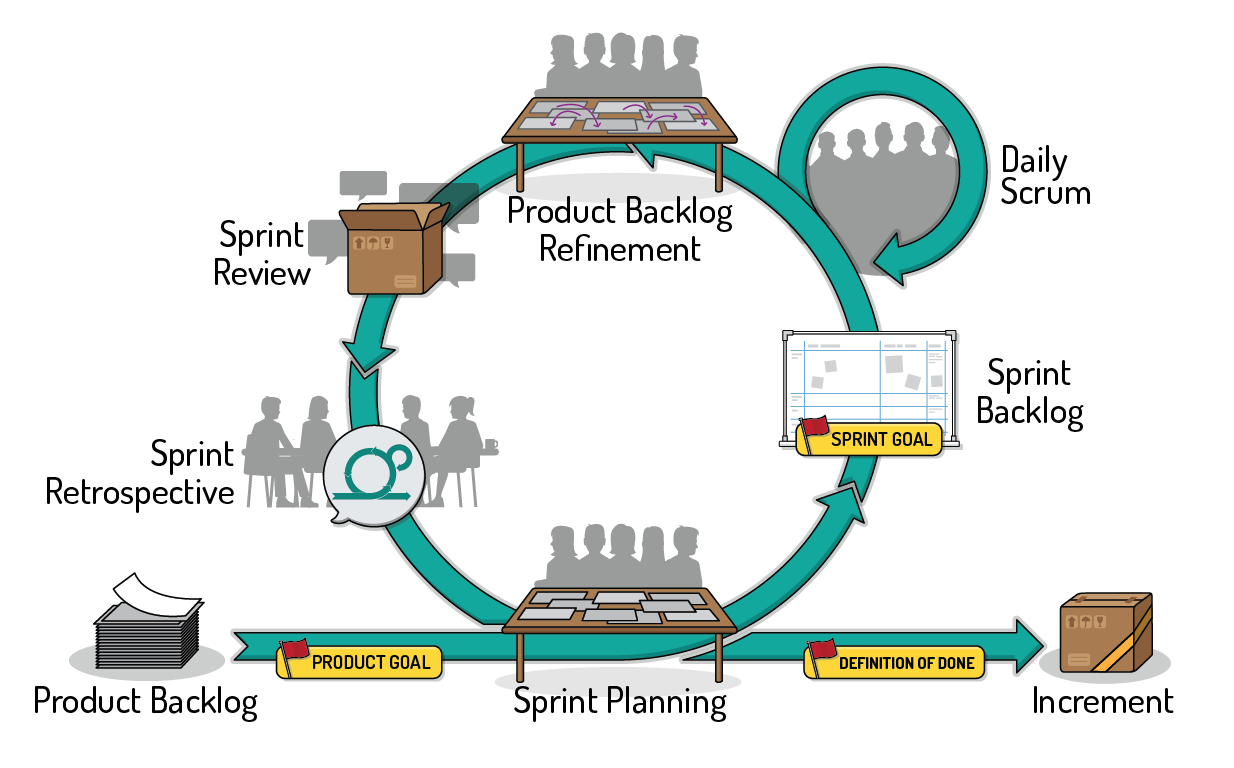
In Scrum, a small, cross-functional Scrum Team works in short cycles called sprints. During each sprint, the team creates a usable increment of product. The Scrum Team and stakeholders then inspect what was created and use what they learned to decide what to do next.
Put simply, Scrum works through a repeating cycle:
- The Product Owner orders the Product Backlog.
- The Scrum Team creates a Sprint Goal and selects work during Sprint Planning.
- Developers work together during the sprint to create a usable increment.
- Developers inspect progress daily and adapt their plan.
- The Scrum Team and stakeholders inspect the increment during the Sprint Review.
- The Scrum Team improves how it works during the Sprint Retrospective.
- The cycle repeats.
That repetition is important. Scrum is not a long planning phase followed by a long execution phase. It is a way to learn, deliver, inspect, and adapt continuously.
Scrum Is a Framework, Not a Methodology
Scrum is a framework, not a complete methodology or prescriptive process.
A methodology attempts to define exactly how work should be performed. Scrum does not do that. Scrum defines a small set of accountabilities, events, artifacts, and rules. It leaves many details to the Scrum Team.
That incompleteness is intentional.
For example, Scrum says teams should create high-quality work, but it does not tell every team exactly how to test, design, code, document, or release that work. A medical device team, a financial services team, and a SaaS product team may all use Scrum, but the practices they need will differ.
That flexibility is one reason Scrum has lasted. The framework provides enough structure to create focus, transparency, and feedback. But it also leaves room for teams to adapt their practices to the product, organization, and risks they face.
Be careful, though, about removing parts of Scrum too quickly. Scrum is small, and the pieces are connected. When teams eliminate an accountability, skip a Scrum meeting, or weaken an artifact, they often lose feedback loops they later wish they had.
Why Scrum Works
Scrum works by helping teams inspect reality and adapt.
The Product Backlog makes possible future work visible. The Sprint Backlog makes the Developers’ current plan visible. The Increment makes product progress visible. The Definition of Done makes completion visible.
Scrum meetings create regular moments to use that transparency:
- Sprint Planning creates focus.
- The Daily Scrum supports daily adaptation.
- The Sprint Review creates product feedback.
- The Sprint Retrospective creates team improvement.
When these pieces work together, the Scrum Team learns quickly. It learns what users and stakeholders need, what the product can do, how the team is working, and what should change next.
That is why Scrum is not just a set of meetings. It is a learning system for complex work.
The Scrum framework is easiest to understand as a set of connected accountabilities, events, artifacts, and commitments. This diagram shows how those pieces fit together during a sprint.
The Scrum Team
Scrum relies on a small, self-managing, cross-functional Scrum Team.
A Scrum Team includes three accountabilities:
- Product Owner
- Scrum Master
- Developers
These accountabilities are separate, but they are not silos. The Product Owner, Scrum Master, and Developers work together as one Scrum Team.
The Product Owner focuses on value. Developers create the increment. The Scrum Master helps the Scrum Team and organization use Scrum effectively.
Learn more: Scrum Roles
Product Owner
The Product Owner is accountable for maximizing the value of the product resulting from the Scrum Team’s work.
That includes ordering the Product Backlog, communicating the Product Goal, working with stakeholders, and helping Developers understand what matters and why.
The Product Owner does not assign tasks to Developers or decide how much work they must finish in a sprint. The Product Owner helps the Scrum Team focus on the most valuable outcomes.
Learn more: Product Owner
Scrum Master
The Scrum Master helps the Scrum Team and organization use Scrum effectively.
That may include coaching, facilitation, helping remove impediments, improving Scrum meetings, and helping the organization understand what the Scrum Team needs to succeed.
A Scrum Master is not a traditional project manager. The Scrum Master does not assign work or direct Developers day to day. The role is closer to coach, facilitator, and improvement guide.
Learn more: Scrum Master
Developers
In Scrum, Developers are the people who create the product increment.
That may include programmers, testers, analysts, designers, database specialists, UX researchers, writers, architects, or others needed to complete the work.
Developers decide how to turn selected Product Backlog items into a done increment. They create and adapt the Sprint Backlog, collaborate across specialties, and adjust their plan as they learn during the sprint.
Learn more: Developers
Scrum Meetings
Scrum officially calls these events. Most teams call them meetings. I use meetings here because it is the term most people search for and say, while still respecting the official Scrum language.
Scrum meetings help the Scrum Team plan, coordinate, inspect, and improve during each sprint.
The sprint itself is the container for the other Scrum meetings. It is a short, fixed-length timebox during which the Scrum Team works toward a Sprint Goal and creates a usable increment.
Every sprint includes:
- Sprint Planning
- Daily Scrum
- Sprint Review
- Sprint Retrospective
These meetings are not calendar rituals. Each one creates a specific feedback loop.
Learn more: Scrum Meetings
Sprint Planning
Sprint Planning starts the sprint.
The Scrum Team uses Sprint Planning to decide why the sprint matters, what can be done, and how Developers will begin turning selected Product Backlog items into a done increment.
The output is not just a list of tasks. The most important outcome is a shared Sprint Goal and an initial plan for achieving it.
Learn more: Sprint Planning
Daily Scrum
The Daily Scrum is a short daily planning meeting for Developers.
Developers use it to inspect progress toward the Sprint Goal and adapt their plan for the next day of work.
The Daily Scrum should not become a status meeting for the Scrum Master, Product Owner, or manager. It should help Developers coordinate, uncover impediments, and keep work moving toward done.
Learn more: Daily Scrum
Sprint Review
The Sprint Review helps the Scrum Team and stakeholders inspect the increment and discuss what should happen next.
A demo may be part of the Sprint Review, but the meeting should be more than a presentation. The point is to inspect the product, gather feedback, and adapt future product decisions.
Learn more: Sprint Review
Sprint Retrospective
The Sprint Retrospective helps the Scrum Team inspect how it worked during the sprint and identify improvements for the next one.
A useful Retrospective does not try to fix everything at once. It helps the Scrum Team choose meaningful improvements, follow through on them, and build a habit of continuous improvement.
Learn more: Sprint Retrospective
Scrum Artifacts
Scrum artifacts make work, progress, and completion visible.
The official Scrum artifacts are:
- Product Backlog
- Sprint Backlog
- Increment
Each artifact has a commitment that gives it focus. The Product Backlog has the Product Goal. The Sprint Backlog has the Sprint Goal. The Increment has the Definition of Done.
Teams may also use supporting tools such as Scrum Boards. These can be useful, but they are only helpful when they support transparency and better decisions.
Learn more: Scrum Artifacts
Product Backlog
The Product Backlog is the ordered list of possible future work for the product.
It may include features, fixes, technical work, learning needs, experiments, and anything else that may be needed to improve the product.
The Product Owner is accountable for ordering the Product Backlog, but a healthy Product Backlog is shaped through conversation with Developers, stakeholders, users, and others.
Learn more: Product Backlog
Sprint Backlog
The Sprint Backlog is the Developers’ plan for the current sprint.
It includes the Sprint Goal, the selected Product Backlog items, and the work Developers believe is needed to create a done increment.
The Sprint Backlog should be useful to Developers, not a reporting artifact created for someone else. It will usually change during the sprint as Developers learn more.
Learn more: Sprint Backlog
Increment
The Increment is the usable product work completed during a sprint and added to everything already done.
Work is part of the Increment only when it meets the Definition of Done.
This does not mean every sprint must result in a public release. It means the work should be integrated, tested, and usable enough that the Product Owner could choose to release it.
Learn more: Increment
Definition of Done
The Definition of Done makes clear what must be true before work can be considered complete.
A weak Definition of Done lets unfinished work hide inside words like complete, finished, and almost done. A strong Definition of Done helps the Scrum Team create honest progress and usable increments.
Learn more: Definition of Done
Scrum Boards
Many Scrum Teams use Scrum Boards to visualize sprint work.
Today, these are most often software tools. A simple board might show work moving from To Do, to In Progress, to Review, to Done.
A Scrum Board earns its keep through the conversations it enables about blocked work, work in progress, quality, and what Developers need to do next.
Learn more: Scrum Boards
How the Pieces of Scrum Fit Together
Scrum works because its parts reinforce one another.
The Product Backlog gives the Scrum Team an ordered set of possibilities. Sprint Planning turns a small slice of that backlog into a Sprint Goal and plan. The Daily Scrum helps Developers adapt during the sprint. The Sprint Review creates product feedback. The Sprint Retrospective creates process feedback. The Increment makes progress real.
When Scrum is working well, the Scrum Team learns in every sprint:
- What customers and stakeholders actually need
- How much work Developers can realistically finish
- Which assumptions were wrong
- Which product decisions should change
- Which improvements would help the Scrum Team deliver better results
Scrum makes reality visible often enough that the team can adapt.
Common Scrum Problems
Most Scrum problems are not caused by the framework being too complicated. They are caused by using the visible parts of Scrum without preserving the feedback loops those parts are meant to create.
Scrum Meetings Become Status Meetings
Sprint Planning, Daily Scrums, Sprint Reviews, and Retrospectives should help the Scrum Team inspect, adapt, and make better decisions.
When they become status meetings, reporting rituals, or calendar obligations, Scrum loses much of its value.
The Product Backlog Does Not Support Sprint Planning
If Sprint Planning repeatedly turns into discovery, refinement, or arguments about what items mean, the problem may be upstream.
A healthy Product Backlog gives the Scrum Team enough clarity to make responsible sprint decisions without trying to remove every unknown.
Role Confusion Weakens Decisions
Scrum depends on clear accountabilities.
If the Product Owner cannot make tradeoffs, Developers are treated as order takers, or the Scrum Master becomes a project manager, the Scrum Team may keep the Scrum language while losing the collaboration Scrum needs.
The Scrum Team Does Not Produce a Usable Increment
Scrum depends on frequent inspection of real progress.
If work remains partially done, unintegrated, untested, or not usable, the Scrum Team loses the ability to get meaningful feedback.
A sprint should create a usable increment, not merely a pile of almost-finished work.
Retrospectives Do Not Lead to Improvement
A Retrospective that never changes anything becomes discouraging.
Scrum Teams do not need to fix everything at once. But they do need to choose meaningful improvements, follow through, and see evidence that inspecting how they work matters.
Scrum Becomes a Checklist
Scrum can look complete from the outside while not helping much.
The team may have roles, meetings, artifacts, and a board, but still lack transparency, feedback, ownership, and adaptation.
The question is not whether the team is performing Scrum. The question is whether Scrum is helping the team learn and improve.
Is Scrum Helping Your Team Inspect and Adapt?
Use these questions to find the next conversation your Scrum Team may need to have:
- Does the Scrum Team have a clear Sprint Goal?
- Are Product Backlog items clear enough before Sprint Planning that planning is not doing refinement’s job?
- Is the Daily Scrum helping Developers coordinate and adjust their plan?
- Is the Sprint Review producing useful product feedback from stakeholders?
- Is the Sprint Retrospective leading to real improvements in how the Scrum Team works?
- Can the Product Owner make real tradeoff decisions?
- Is the Scrum Master helping the Scrum Team improve rather than merely scheduling meetings?
- Does each sprint produce a usable increment of product?
- Are Scrum meetings creating feedback loops, not just filling calendar time?
- Does the Scrum Team understand what Scrum is helping it learn?
Use the answers to decide where the next improvement should focus: backlog health, Sprint Planning, team collaboration, Product Owner authority, Scrum Master effectiveness, stakeholder feedback, or producing a more usable increment.
FAQ
What Does Scrum Stand For?
Scrum is not an acronym.
The name comes from rugby, where a scrum is a way for a team to restart play by working together. In product development, the term was popularized by the influential 1986 article “The New New Product Development Game” by Hirotaka Takeuchi and Ikujiro Nonaka.
Is Scrum a Methodology?
No. Scrum is a framework, not a methodology.
A methodology tells people exactly how to work. Scrum provides a small set of accountabilities, events, artifacts, and rules. The Scrum Team still needs to decide how to design, build, test, release, collaborate, and improve in its context.
What Is the Difference Between Agile and Scrum?
Agile is a broader set of values and principles for working in ways that emphasize collaboration, feedback, adaptability, and delivering value.
Scrum is one agile framework. A team can be agile without using Scrum. A team can also use Scrum mechanics without being very agile if it treats the framework as a checklist instead of a way to learn and adapt.
How Long Should a Sprint Be?
Most Scrum Teams use sprints of one to four weeks. Two weeks is common.
Shorter sprints create faster feedback but can feel rushed if the team struggles to finish meaningful increments. Longer sprints give more time to complete work but delay feedback and increase the risk of discovering problems late.
The best sprint length is usually the shortest timebox in which the Scrum Team can regularly deliver a useful increment and get meaningful feedback.
Does a Scrum Team Need a Scrum Master?
Scrum includes the Scrum Master accountability because teams usually need help improving how they work.
That does not mean every Scrum Master works the same way. Some teams need more facilitation and coaching. Others need more help removing organizational impediments. But if no one is accountable for helping the team improve its use of Scrum, Scrum often becomes a set of meetings with little improvement.
Can the Product Owner and Scrum Master Be the Same Person?
It is usually a bad idea.
The Product Owner focuses on product value, priorities, tradeoffs, and stakeholder needs. The Scrum Master focuses on Scrum effectiveness, facilitation, coaching, and improvement. Combining the accountabilities creates tension and often weakens both roles.
Is Scrum Only for Software Development?
No. Scrum is widely used in software, but the framework can help with many types of complex product development or knowledge work.
The important question is not whether the work is software. The important question is whether the work benefits from short feedback cycles, cross-functional collaboration, and regular adaptation.
Do Teams Have to Use Every Part of Scrum?
Scrum is intentionally small, so removing parts can have a bigger effect than teams expect.
A team may adapt practices around Scrum, but it should understand what problem each part of the framework solves before deciding to remove it. Skipping Retrospectives, weakening the Product Owner accountability, or treating the Daily Scrum as a status meeting may seem harmless at first, but each change removes a feedback loop.
Are Scrum Meetings the Same as Scrum Events?
Yes. Scrum officially calls them events.
Most teams call them meetings. I use meetings in most public copy because it is plain language, but events is the official Scrum term.
What Are the Scrum Artifacts?
The Scrum artifacts are the Product Backlog, Sprint Backlog, and Increment.
They make work and progress visible so the Scrum Team and stakeholders can inspect and adapt. The Definition of Done is the commitment associated with the Increment. Scrum Boards are useful supporting tools, but they are not official Scrum artifacts.
Scrum Resources

Thinking of a career as a Scrum Master? 7 questions to help you decide if it's the right job for you.
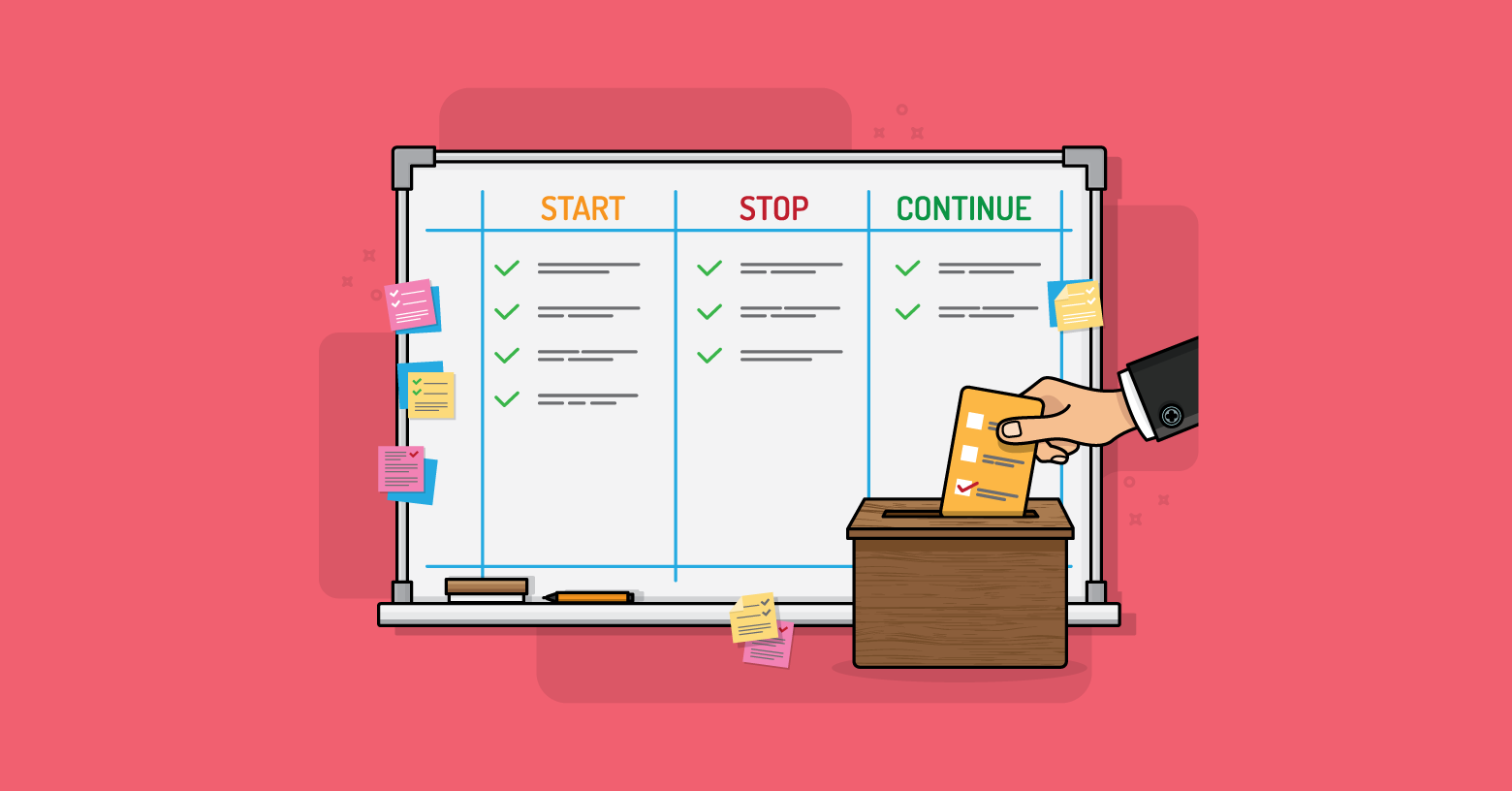
There are many ways you can run a sprint retrospective. Here’s the simplest way and still my favorite.

While the demo itself is the most prominent part of a sprint review, running an effective review requires more than that. Get this handy agenda for comprehensive sprint reviews.
Scrum has a bad reputation in some organizations. In many cases, this is because teams did something they called Scrum, it didn’t work, and Scrum took the blame.
Before you break the rules of Scrum, consider how Scrum’s constraints enhance creativity and boost innovation.

There are two primary ways for planning a sprint: velocity-driven sprint planning and commitment-driven sprint planning. In last week’s post, I described velocity-driven planning; so in this week’s, we turn our attention to commitment-driven sprint planning. A commitment-driven sprint planning meeting involves the product owner, ScrumMaster...

Too many daily scrums are status meetings instead of a time for team members to share plans, progress, and problems with one another. Learn why and what you can do about it.
If team members are only going through the motions, you're probably doing daily scrums wrong. Discover a more effective way to approach daily scrums with your teams.
Are teams complaining about Scrum meetings? Learn why that happens, and how to fix it.

Conventional wisdom says that a team should do a retrospective every sprint. But if your sprints are one week, can you do them every few sprints? That would still be more often than a team doing four-week sprints.

Over time, Scrum teams take on some of the Scrum Master duties themselves. Does the self-organizing nature of Scrum teams mean they eventually do away with the need for a Scrum Master?

When one person cannot attend one of Scrum’s meetings, the best thing is almost always to conduct the meeting anyway. But there are important exceptions.

Batman would make the perfect Scrum Master. Once he eliminates crime in Gotham City, I plan on offering him a job. Here’s why.

It can sometimes be a challenge to get people to attend and then participate in sprint reviews. Here is advice on overcoming that problem.

Even Scrum Masters need a holiday every now and then. Here are four things for a Scrum Master to consider doing for the team before leaving on a vacation.

It’s quite common for a team to have a bit of unfinished work at the end of an agile sprint or iteration. Ideally, a team would finish every item on its sprint backlog every sprint. But, for a variety of reasons, that isn’t always the case. This leads to a couple...
Planning an exact time to do something within a sprint helps make sure you get the important stuff done.
Does Scrum work if you don’t have a Scrum Master? What about sprints? Estimates? And so on? Discover what you can, and cannot, live without in Scrum.

Three things to stop doing now so that running the daily scrum becomes a whole-team activity.

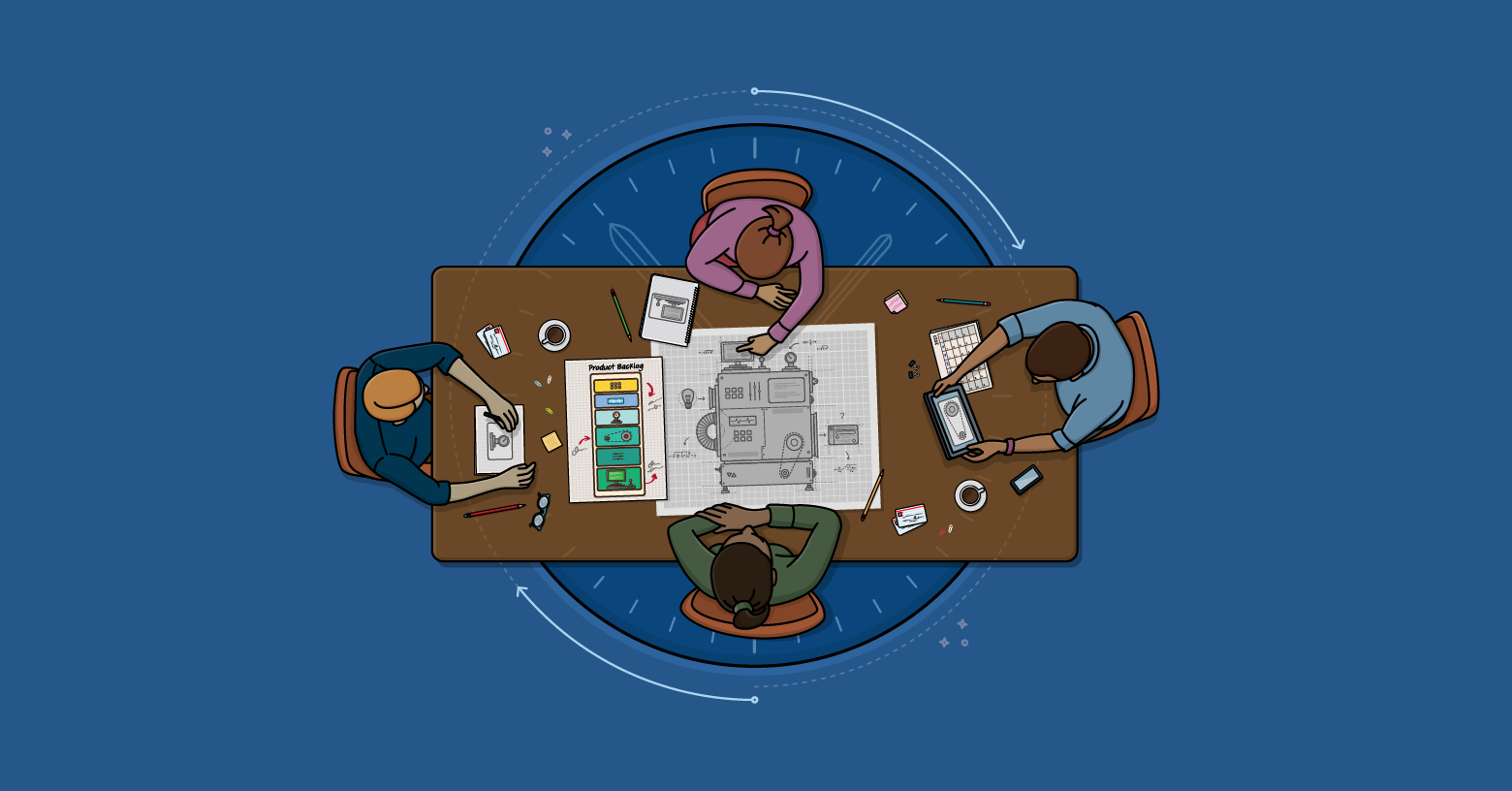
What are the danger signs that sprint planning is a struggle for your teams? And how can you turn it around? Find out in this video blog.

I recently emailed everyone who subscribes to my weekly tips a list of suggestions for ways to motivate team members to arrive on time to the daily scrum. For example, many teams have a rule that if you arrive late, you put a dollar in a jar as punishment for being late. Ideally the collected money is donated to a charity at the end of a project or after it reaches a certain amount.
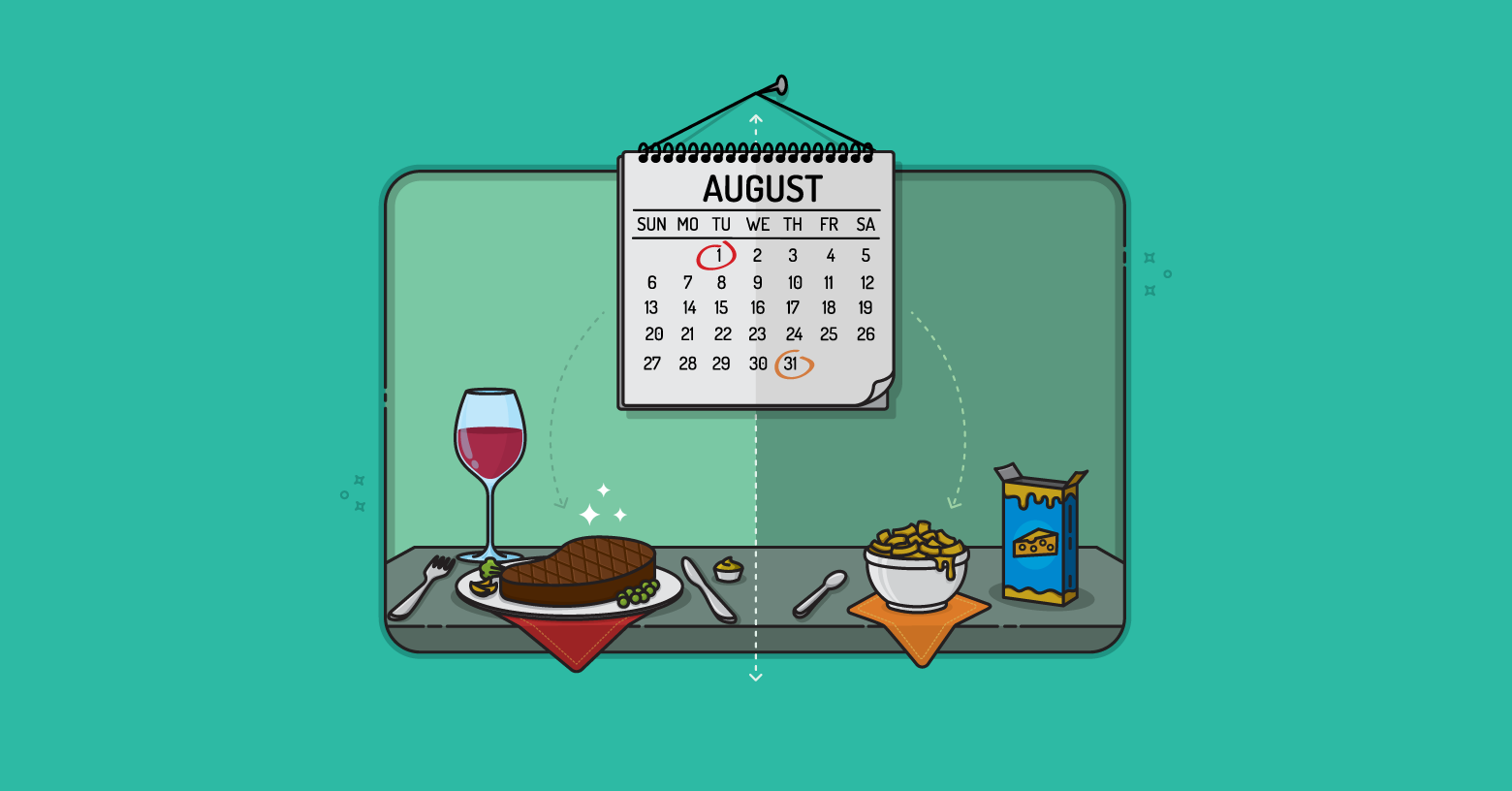
In an ideal world, a Scrum team could perform the work of its sprints entirely uninterrupted. Product owners would never introduce change. Customers would never request urgent new functionality. And users would never discover any defects. While teams can aspire to a world of no sprint interruptions, it is not the world in which most teams operate. Most Scrum teams do have to deal with interruptions of these types.

During sprint reviews, teams are supposed to demonstrate only those product backlog items that are done. But there is one time a team might consider breaking this rule. Discover when and why that is.

Do Scrum long enough and someone will suggest stopping the daily scrums. Here’s how to reply.

Boring retrospectives or ones in which people are afraid to speak the truth are just two of the most common problems with retrospectives.

How to run a Retrospective when your team won't talk.

Discover what pirates have to teach us about why the ScrumMaster and product owner require different skills, and different people.

How do you effectively facilitate a daily scrum with a remote team?
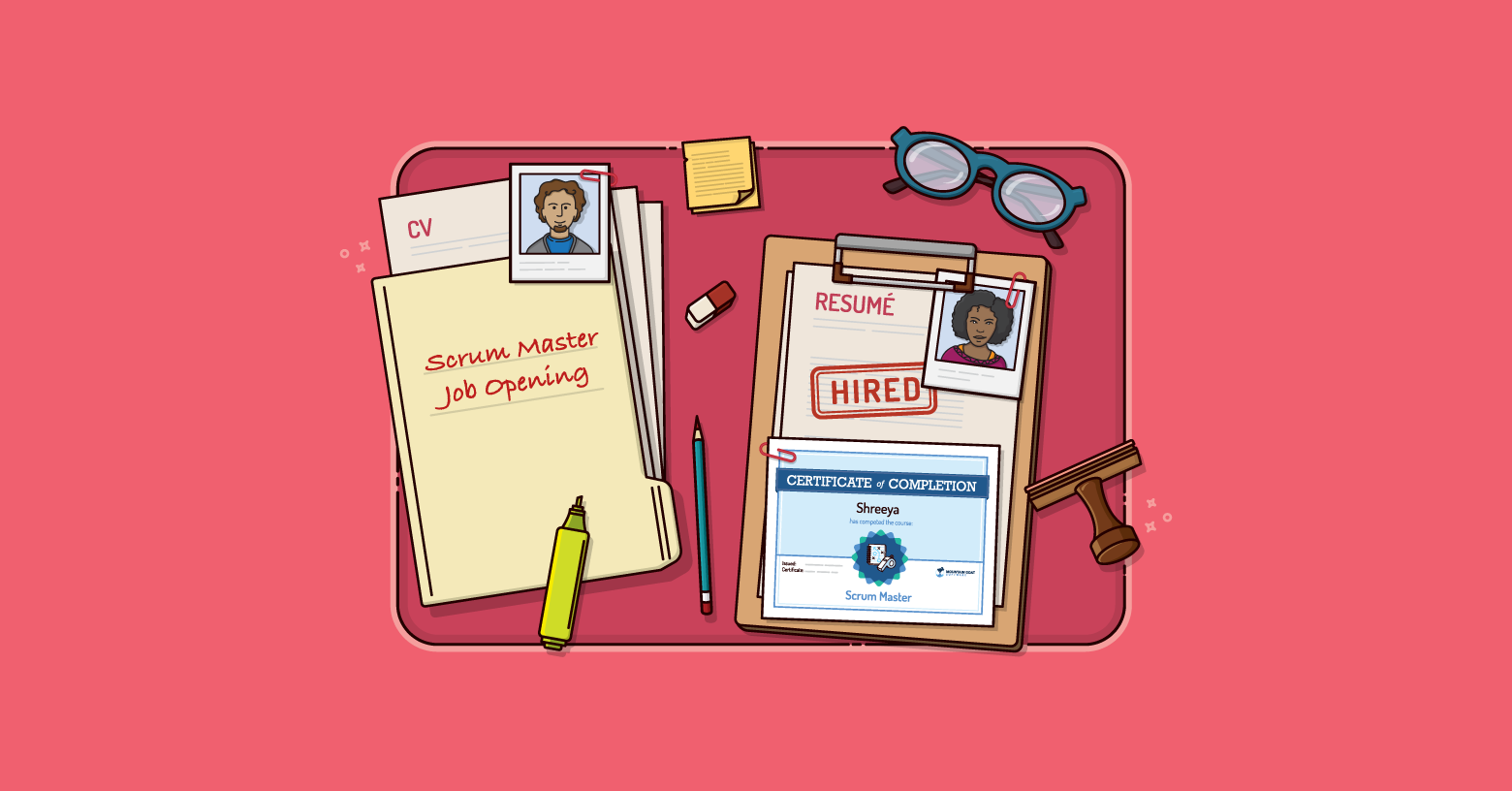
New Scrum Masters face a common conundrum: How do you become a Scrum Master with no experience? Here are seven tips to help you land that first position.

Mike answers three common questions about Scrum Masters, including who Scrum Masters report to.

Some teams assign all tasks upfront. Others don’t. Here’s what works best.

There are, of course, a variety of ways to go about planning a sprint. I’ve written previously about velocity-driven sprint planning and capacity-driven sprint planning and my preference . But regardless of which approach a team takes to sprint planning, there is also the question of how full to fill the sprint.

Most teams do the daily scrum per person, but some encounter the problem described here and discuss things story-by-story. Not all teams need to do it the same.

From helping teams understand the boundaries of self organization to creating safety around things like estimates and mistakes, here are six things teams want from their Scrum Masters.

There’s much more to a sprint review than just a demo. Discover the purpose of a sprint review and why calling it a demo is a bad idea.

As teams progress with Scrum, they can (and should) experiment with changes to their approach. But not at first. Learn more.

Although you may wish it weren’t the case, some Scrum Masters need to document how a sprint went. Here’s advice on how to do that in a lightweight, agile manner.
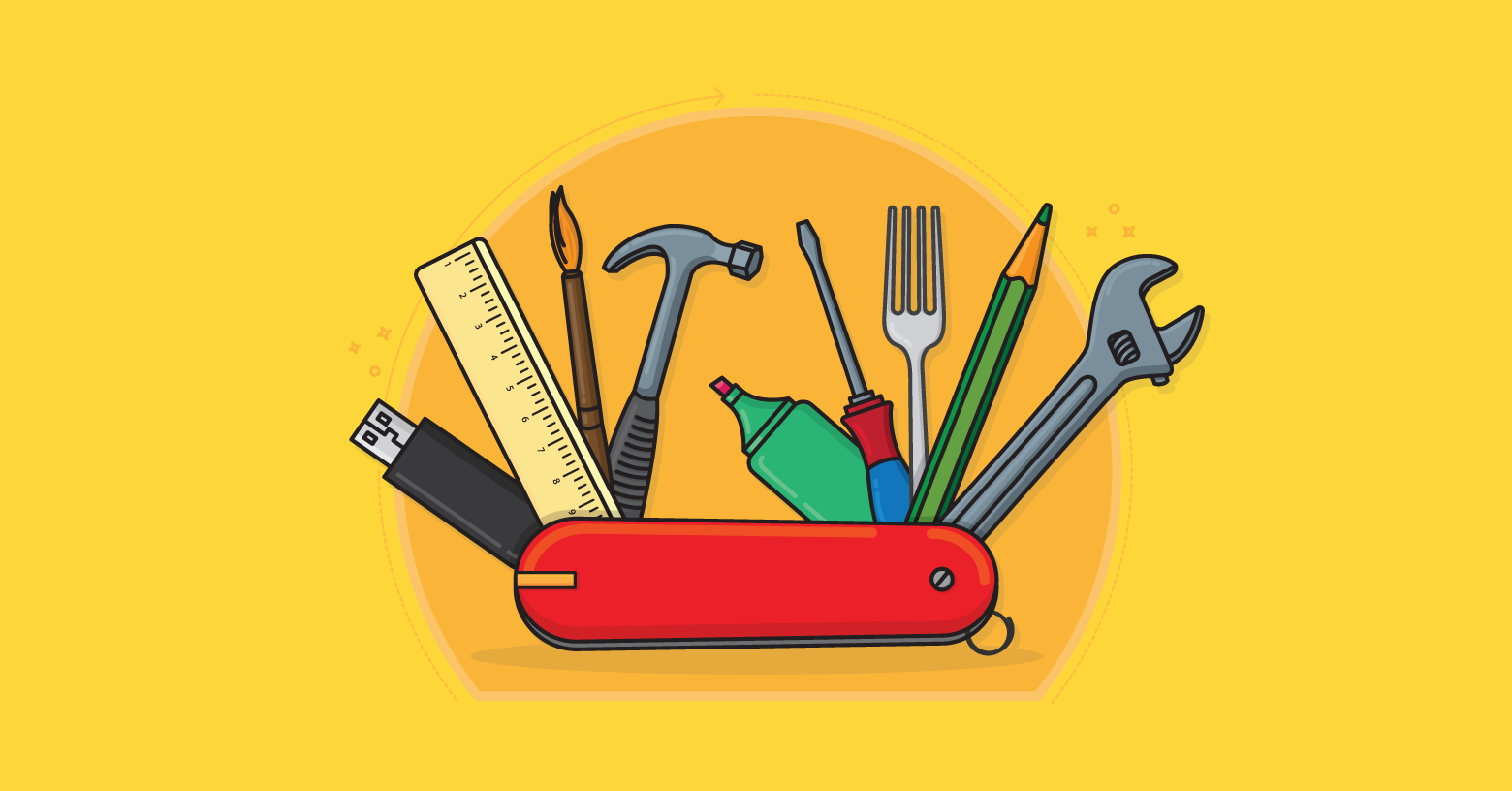
A couple of weeks ago, I participated in a painful sprint planning meeting. You might have been in the same type of meeting. The team was going to great lengths to identify every task they'd need to do in the sprint. And they were debating endlessly over the precise number of hours each task would take. That level of detail is not necessary.

Want to become an even better Scrum Master? Follow these 10 easy-to-remember practices.

In a recent weekly tip, I offered six tips on making the daily scrum more useful but I couldn't stop at six. Here are ten more tips to help make your daily scrum more useful.

You have undoubtedly had team members complain at some point about the length of your daily scrums. Join the club. I want to share two extremely simple things you can do to put an end to most of those complaints. (I can’t promise getting rid of all complaints—some people will always complain.)

A typical career path for a Scrum Master will start with serving one team. After a while that team becomes less time-consuming to work with, as issues are resolved and the team takes on more responsibilities itself.

Sprint planning may look like it’s about tasks and estimates but those are not the goal.

Sprint goals are something every Scrum team should try to create. Learn what sprint goals are and what a good sprint goal looks like.

Some teams use the sprint review as a time for product owners or key stakeholders to formally approve the product backlog items completed during the sprint. Is this a good idea?

Avoid these 4 pitfalls—like dodging tough talks—to become a more effective Scrum Master.

To be effective, a Scrum Master has a right to expect at least three things from their company culture. Find out what those are.
It can be challenging to find time for refactoring. These approaches will help.
Recently the 2020 version of the Scrum Guide was released. What changes were made that you need to be aware of in order to keep up to date with Scrum?

Poorly attended sprint reviews cause real problems. Fortunately there are easy fixes.

Are your teams haunted by horrible daily scrums? Are team members suppressing screams of frustration as one person drones on and on? Or maybe standing like zombies waiting to give a robotic response? If so, don’t despair. Learn how to turn a grim meeting into an energetic sync.

When too many sprints end with unfinished stories, it’s time to take action. Here’s how.
There are two general approaches to planning sprints: velocity-driven planning and capacity-driven planning. Over the next three posts, I will describe each approach, and make my case for the one I prefer. Let’s begin with velocity-driven sprint planning because it’s the easiest...

What exactly does cross functional mean and why does it matter?
Succeeding with Scrum is easier when you know when and why to conduct each of the Scrum events during the sprint.
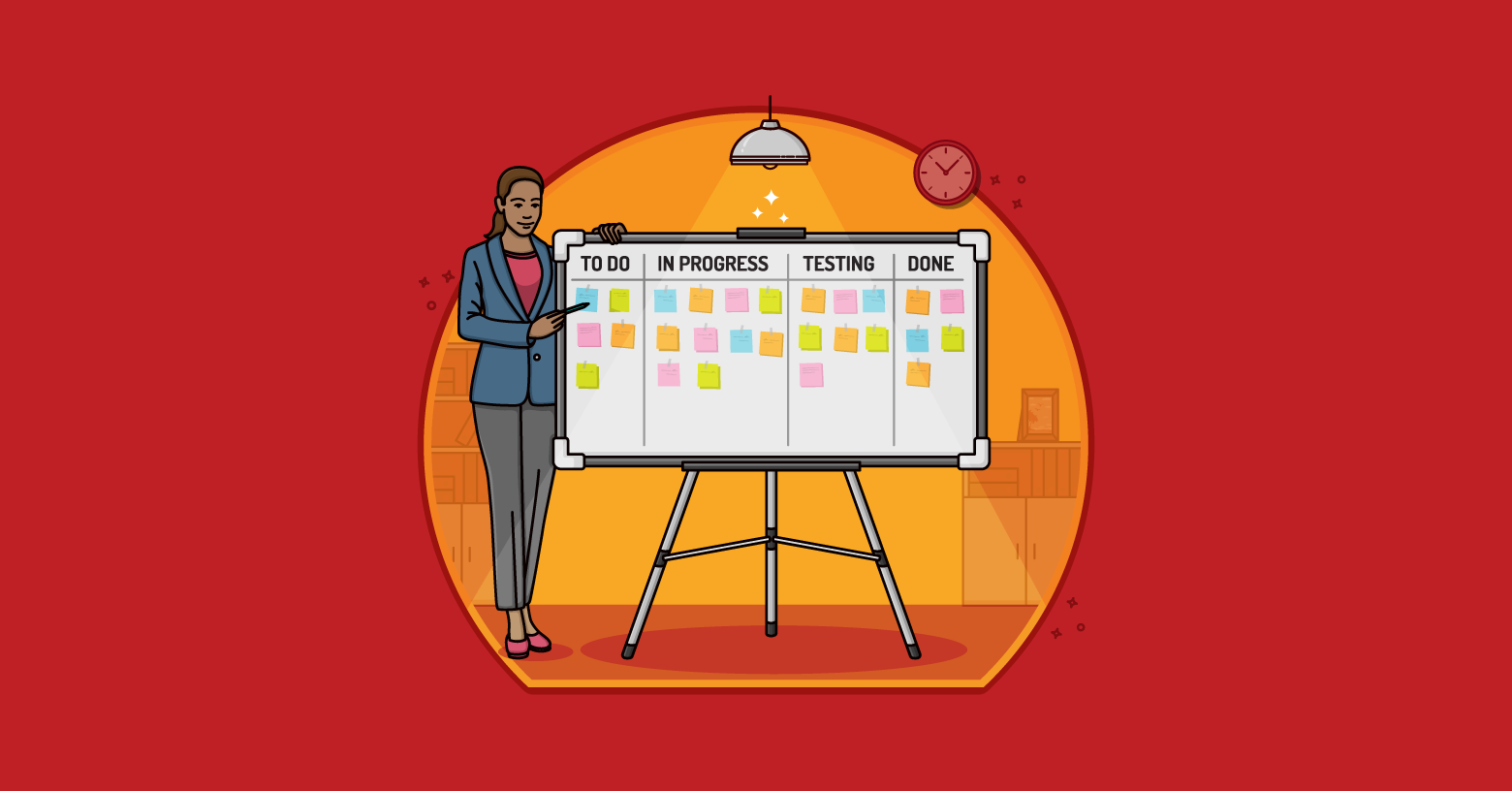
Debating between Scrum and Kanban? Guest author Brendan Wovchko offers five advantages Kanban has over Scrum.

Sprint goals are considered a mandatory part of Scrum. Here’s why I disagree.

I don't use story points for sprint planning because story points are a useful long-term measure. They are not useful in the short-term.
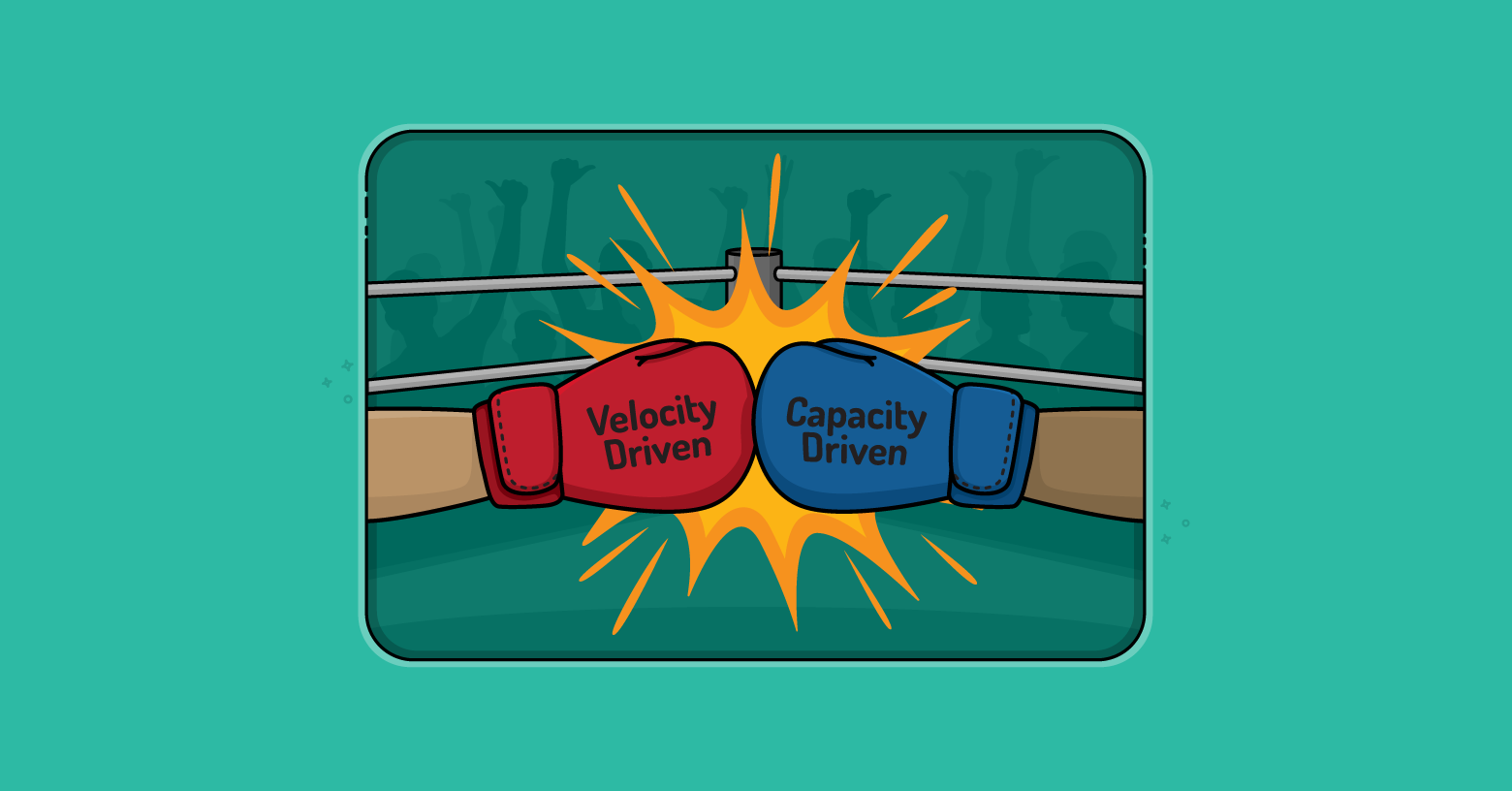
The problem with velocity-driven sprint planning is that velocity is simply too variable to be useful in the short term.
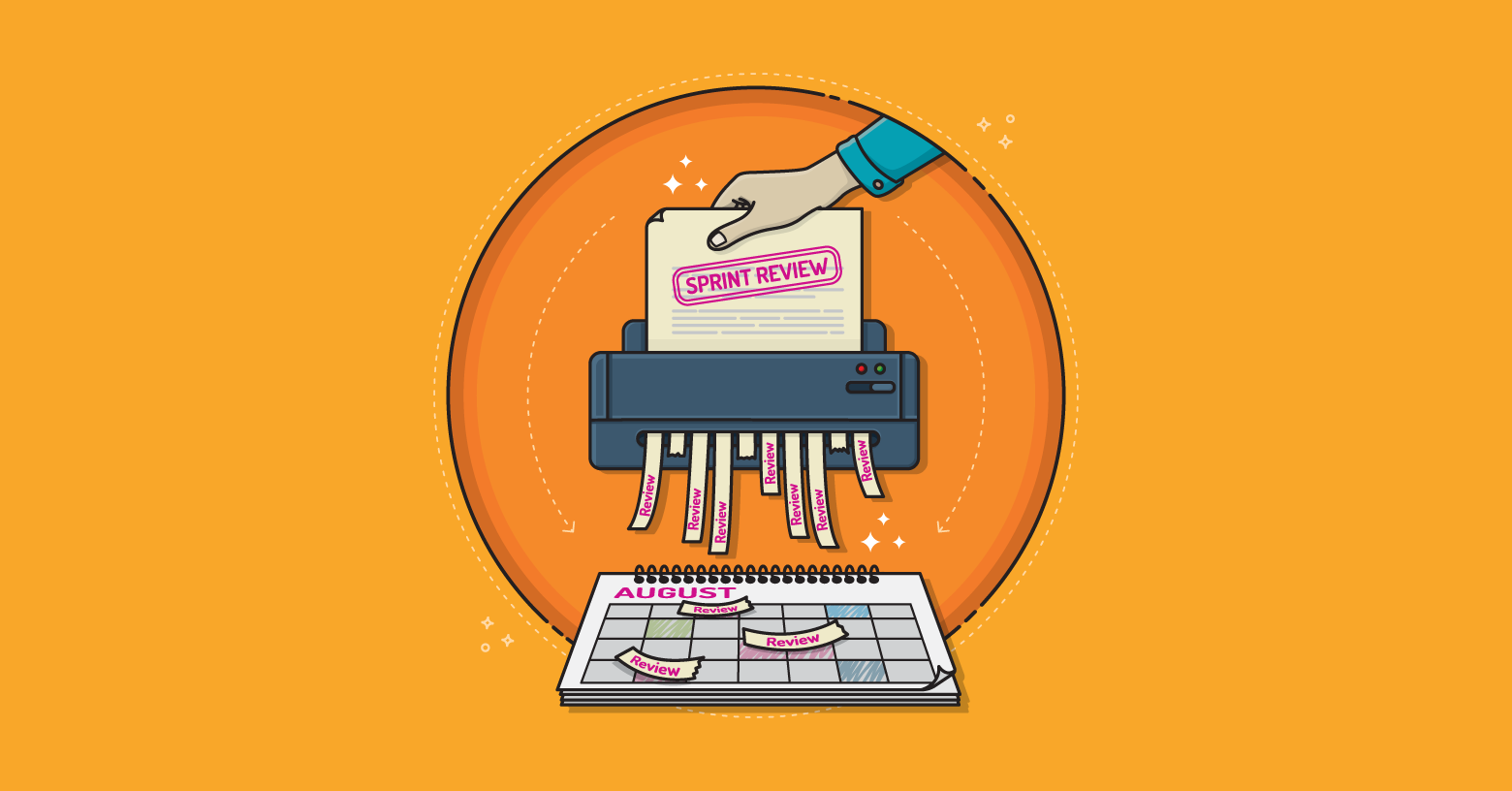
For many teams, the sprint review has run its course and it’s time to stop doing them. Blasphemy? Maybe, but hear me out.

Your team is probably spending too much time in sprint planning meetings. Here’s how to spend less time but plan better.
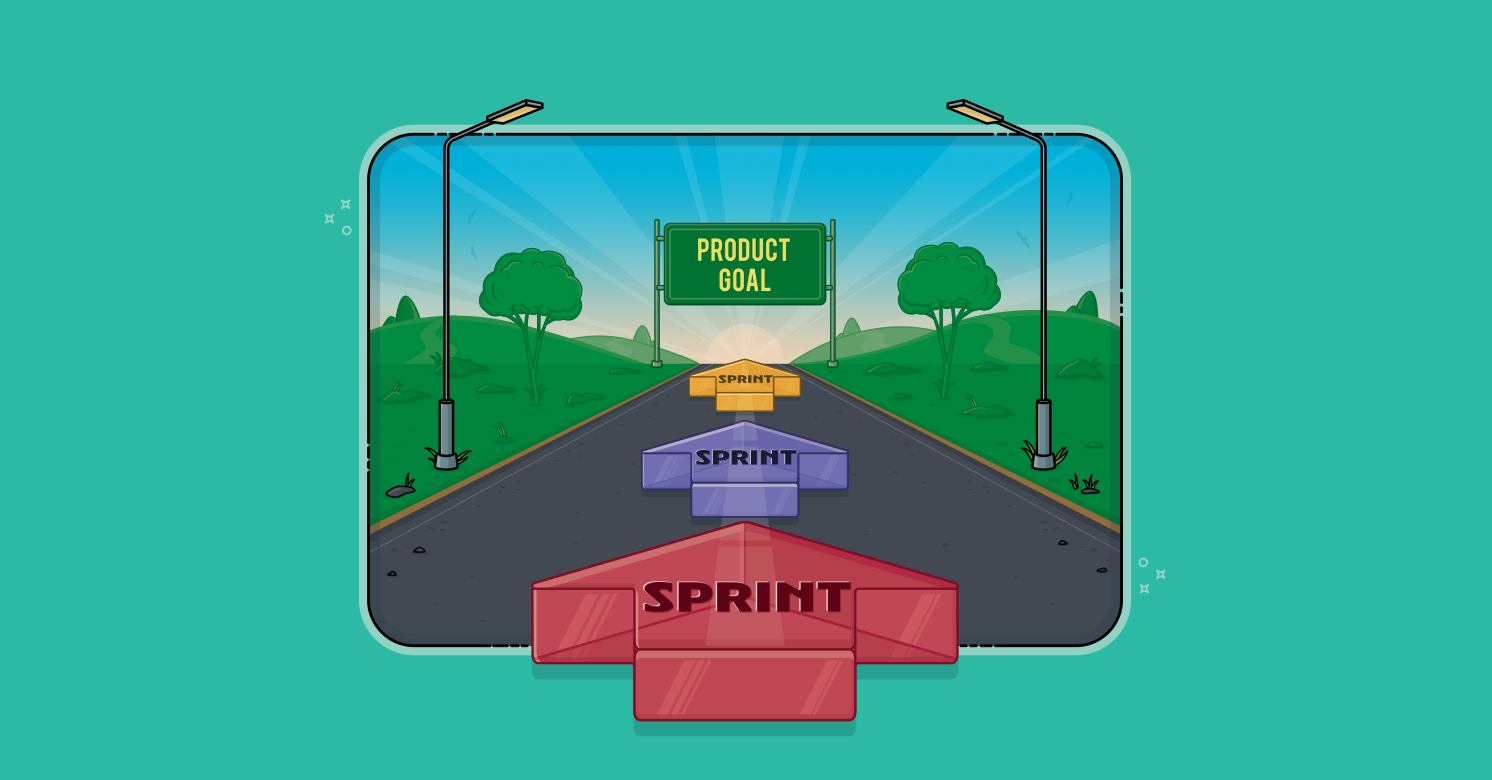
A practical look at the Product Owner role and why strong product ownership matters to Scrum Teams.
A nuanced look at when readiness criteria help and when they become a stage-gate process in disguise.

A reminder that Scrum should support sustainable delivery, not repeated overcommitment.