
Cross-functional agile teams have the skills needed to take work from idea to done.
A cross-functional team can analyze, design, build, test, integrate, review, and deliver a product backlog item without routinely handing it off to outside groups. The team may include specialists, and not every person needs every skill. But the team as a whole has enough skill coverage to finish valuable work together.
Use this page to understand what cross-functional teams are, what they are not, why they matter in agile and Scrum, and how to strengthen cross-functionality without turning specialists into generalists.
Who This Page Is For
This page is for people who want agile teams to finish work with fewer handoffs, fewer bottlenecks, and more shared understanding.
It is especially useful for:
- Scrum Masters and agile coaches helping teams improve collaboration across skills
- Product Owners who want clearer partnership with Developers, testers, analysts, designers, and other specialists
- Developers, testers, analysts, UX designers, database engineers, architects, security specialists, and others working on agile teams
- Managers and leaders deciding how to staff teams and reduce dependency on outside groups
- Teams that frequently wait for testing, design, architecture, database, security, operations, or approval work before they can finish
What Is a Cross-Functional Agile Team?
A cross-functional agile team is a team with all the skills needed to deliver a valuable product increment.
In software development, that may include skills such as product knowledge, analysis, user experience and visual design, programming, testing, database and architecture work, security, operations, documentation, domain expertise, and release or deployment knowledge.
The exact skills depend on the product and the team’s Definition of Done. A team building internal reporting software may need a different mix of skills than a team building medical device software, a mobile app, or a large-scale platform.
The important point is not the list of skills. The important point is the team’s ability to finish valuable work without passing it through a long chain of other groups.
A cross-functional team does not ask, “Which department owns this step?”
It asks, “What skills do we need to finish this item, and how do we bring those skills into the work early enough?”
Cross-Functional and Multidisciplinary Mean Nearly the Same Thing
Many people use the term cross-functional team. The SLAM model uses multidisciplinary team.
The words differ slightly, but the practical idea is the same: the team has the skills needed to finish the work.
“Cross-functional” emphasizes working across functional specialties such as programming, testing, analysis, design, database work, security, or operations.
“Multidisciplinary” emphasizes that the team brings multiple disciplines together around a shared outcome.
Either term is fine. What matters is the capability.
A cross-functional or multidisciplinary team can take a product backlog item from its current state to done without routinely depending on a sequence of outside groups.
Cross-Functional Does Not Mean Everyone Does Everything
One of the most common misunderstandings is that cross-functional teams require everyone to become interchangeable.
They do not.
Cross-functional does not mean:
- Every tester must become a programmer.
- Every programmer must become a designer.
- Every designer must become a database expert.
- Every specialist must give up deep expertise.
- Everyone should be equally good at every kind of work.
A cross-functional team is not a team of identical generalists. It is a team with enough of the right skills and enough overlap to keep work moving.
Specialists still matter. A strong tester, database engineer, designer, architect, or security specialist can be enormously valuable. The goal is not to erase specialization. The goal is to keep specialization from becoming a bottleneck or a handoff point.
A good cross-functional team has deep skills and shared ownership.
Why Cross-Functional Teams Matter
Cross-functional teams matter because they reduce the delay and misunderstanding that come from handoffs.
In a traditional sequence, work may move from analysis to design to programming to testing to integration to release. Each group may do its part well, but learning happens late. Questions wait. Assumptions harden. Defects are discovered after the people who made the original decisions have moved on to other work.
A cross-functional team works differently. The right people talk earlier. A tester hears design conversations. A designer learns implementation constraints. A programmer hears the Product Owner explain the intended outcome. A database specialist can spot a risk before the team commits to an approach. The team can adjust before problems become expensive.
Cross-functional teams improve:
- Flow, because fewer items wait in queues
- Feedback, because testing and review happen earlier
- Quality, because more perspectives shape the solution
- Learning, because skills and product knowledge spread
- Ownership, because the team focuses on finishing the item, not completing separate functional steps
A cross-functional team reduces the distance between discovering, building, testing, and learning.
Handoffs Hide Problems
Handoffs often look efficient because each specialist group can stay busy. But local busyness can hide system-wide delay.
A team may appear productive when analysts are analyzing, designers are designing, programmers are coding, and testers are testing. But if each group waits for another group to finish, product backlog items still move slowly. The work may be busy, but it is not flowing.
Handoffs create several problems:
- Important context gets lost.
- Questions are discovered too late.
- Feedback arrives after decisions are expensive to change.
- People optimize for their own part instead of the whole item.
- Documentation expands to compensate for missing conversation.
- No one feels fully responsible for the final outcome.
Written documentation is sometimes useful. But documentation should not be used as a substitute for collaboration when the people who need to understand the work could be working together.
Specialists Should Collaborate, Not Wait
Specialists often bring the most value when they are involved early.
A tester should not have to wait until programming is “done” to begin contributing. The tester can help clarify examples, identify edge cases, discuss acceptance criteria, and think about testability before code exists.
A UX designer should not have to disappear for a sprint and return with a design the rest of the team has never seen. The designer can explore ahead while staying connected to the team’s current work.
An architect should not have to approve a finished design from a distance. The architect can help the team think through tradeoffs, risks, and constraints while the solution is still flexible.
A database specialist should not become the person every database-related task waits on. The specialist can pair, review, coach, and help the team build enough routine capability to avoid constant dependency.
In a cross-functional team, specialists do not become less important. They become more connected to the work.
Skill Overlap Makes Teams More Resilient
Cross-functional teams work best when people have both depth and overlap.
Depth means people have strong skills in particular areas. A tester may be excellent at exploratory testing. A programmer may be excellent at refactoring legacy code. A designer may be excellent at interaction design. A database engineer may understand performance and data modeling deeply.
Overlap means people know enough about nearby skills to collaborate, help, and keep work moving.
For example:
- A programmer learns enough testing to write better automated checks.
- A tester learns enough about the codebase to help diagnose defects earlier.
- A designer learns enough about implementation constraints to design more practical workflows.
- A Product Owner learns enough about technical risk to make better tradeoff decisions.
- A database specialist pairs with developers so routine database changes do not depend on one person.
Overlap does not replace expertise. It protects the team from fragility.
If only one person can do a type of work, the team has a bottleneck. If a few people can help, review, or handle routine parts of that work, the specialist can focus on the problems that truly require deep expertise.
Cross-Functional Teams Still Need Clear Accountabilities
Cross-functional does not mean role confusion.
Clear accountabilities make collaboration easier. The Product Owner guides value and ordering, Developers create the Increment, and the Scrum Master helps the team improve its effectiveness.
Within those accountabilities, cross-functional collaboration is essential.
A Product Owner does not need to write every acceptance criterion alone. Developers can help refine product backlog items, identify slices, and clarify assumptions.
Developers do not need to make every product decision alone. The Product Owner brings product goals, customer insight, stakeholder needs, and ordering decisions.
A Scrum Master does not solve every collaboration problem for the team. The Scrum Master helps the team see and improve the system of work.
Cross-functional teamwork works best when accountabilities are clear enough that collaboration strengthens ownership instead of blurring it.
Cross-Functional Teams and Feature Teams
Cross-functional teams and feature teams are closely related, but they are not exactly the same idea.
A cross-functional team has the skills needed to finish work.
A feature team is organized around delivering end-to-end customer or user value.
Most feature teams need to be cross-functional. If a team is expected to deliver features but lacks testing, design, database, product, security, or operational skills, it will still depend on outside groups. It may be called a feature team, but the work will move through handoffs.
For most product development work, the ideal is a small, stable, cross-functional feature team that can deliver valuable functionality end to end.
How to Grow Cross-Functionality
Cross-functionality usually improves through small, deliberate changes. It does not require a dramatic reorganization on day one.
Add a Missing Skill
If the team cannot finish work without a particular skill, identify the gap clearly.
The answer might be hiring, moving someone onto the team, part-time help, training, pairing, or changing the team’s responsibilities. The right answer depends on how often the skill is needed and how critical it is to the team’s Definition of Done.
Pair Across Skills
Pairing is one of the fastest ways to increase overlap. A tester and programmer can pair on examples or automated tests. A UX designer and programmer can pair on interaction details. A database specialist and developer can pair on a schema change.
Review Together
Reviews should not be limited to code. Teams can review designs, tests, acceptance criteria, database changes, user workflows, risk assumptions, and operational impacts.
Rotate Routine Work
If only one person ever does a certain kind of work, that person will remain the bottleneck. Look for routine work that can be shared safely. Start small. Let the specialist coach, review, and set boundaries.
Bring Specialists Into Refinement
Backlog refinement is a good place to involve the skills needed to finish upcoming work. The earlier those perspectives appear, the easier it is to split work, reduce risk, and avoid late surprises.
Make Work Visible
Look for queues, blocked items, repeated dependencies, and recurring “waiting for” patterns. These are signs that the team may be missing a skill, relying too heavily on one person, or preserving handoffs that should be removed.
Common Cross-Functional Team Problems
Cross-Functional Is Treated as a Staffing Label
Some organizations call a team cross-functional because many roles are represented. But the real test is not whether the team has many titles. The real test is whether the team can finish valuable work.
Specialists Become Bottlenecks
Specialists become bottlenecks when all work of a certain type waits for one person. The answer is not to eliminate specialists. The answer is to use them differently.
The Team Keeps a Mini-Waterfall Inside the Sprint
Some teams adopt Scrum events but still do work sequentially. Analysis happens first. Design follows. Programming comes next. Testing waits until the end.
Documentation Replaces Conversation
Documents can be useful. But when documents become the main way specialists communicate, the team loses many of the benefits of cross-functionality.
Leaders Share Specialists Across Too Many Teams
A specialist assigned to many teams may seem efficient, but shared specialists often create delays for every team.
The Team Lacks Authority to Use Its Skills
A team may have the right skills but still lack the authority to finish work. Cross-functionality requires both skill and enough decision authority to use that skill responsibly.
Is Your Team Cross-Functional Enough?
Use these questions to identify where your team may need more skill coverage, more overlap, or fewer handoffs.
- Can the team move a product backlog item from its current state to done?
- Does the team have the skills needed to meet its Definition of Done?
- Are testing, design, analysis, and review happening early enough?
- Do specialists help the team finish work, or does work wait for them?
- Are product backlog items routinely handed to outside groups?
- Are documents being used to replace conversations the team should be having?
- Can team members help with nearby skills when the specialist is unavailable?
- Does the team learn from specialists, or simply queue work for them?
- Are important decisions made by the people closest to the work?
- Is the team becoming more capable over time?
This is not a scorecard. Use it to find the next conversation about skills, handoffs, and team capability.
FAQ
What Is a Cross-Functional Agile Team?
A cross-functional agile team has the skills needed to deliver valuable work from idea to done. The team can analyze, design, build, test, integrate, and deliver product backlog items without routinely handing them off to outside groups.
Does Cross-Functional Mean Everyone Does Everything?
No. Cross-functional means the team has all the skills it needs. It does not mean every person has every skill.
What Is the Difference Between Cross-Functional and Multidisciplinary?
The terms are closely related. Cross-functional emphasizes working across functional specialties. Multidisciplinary emphasizes bringing multiple disciplines together.
Why Are Cross-Functional Teams Important in Scrum?
Scrum teams need to create a usable Increment each sprint. That is difficult if work must routinely move through separate groups for analysis, design, coding, testing, or integration.
Can a Cross-Functional Team Have Specialists?
Yes. Most strong cross-functional teams include specialists. A cross-functional team benefits from deep expertise, but it also needs enough skill overlap that one specialist does not become the only path to progress.
How Do We Become More Cross-Functional?
Start by identifying where work waits. Then make small improvements: add a missing skill, pair across specialties, involve specialists earlier in refinement, share routine work, and help team members learn enough about neighboring skills to collaborate more effectively.
Cross Functional Agile Teams Resources
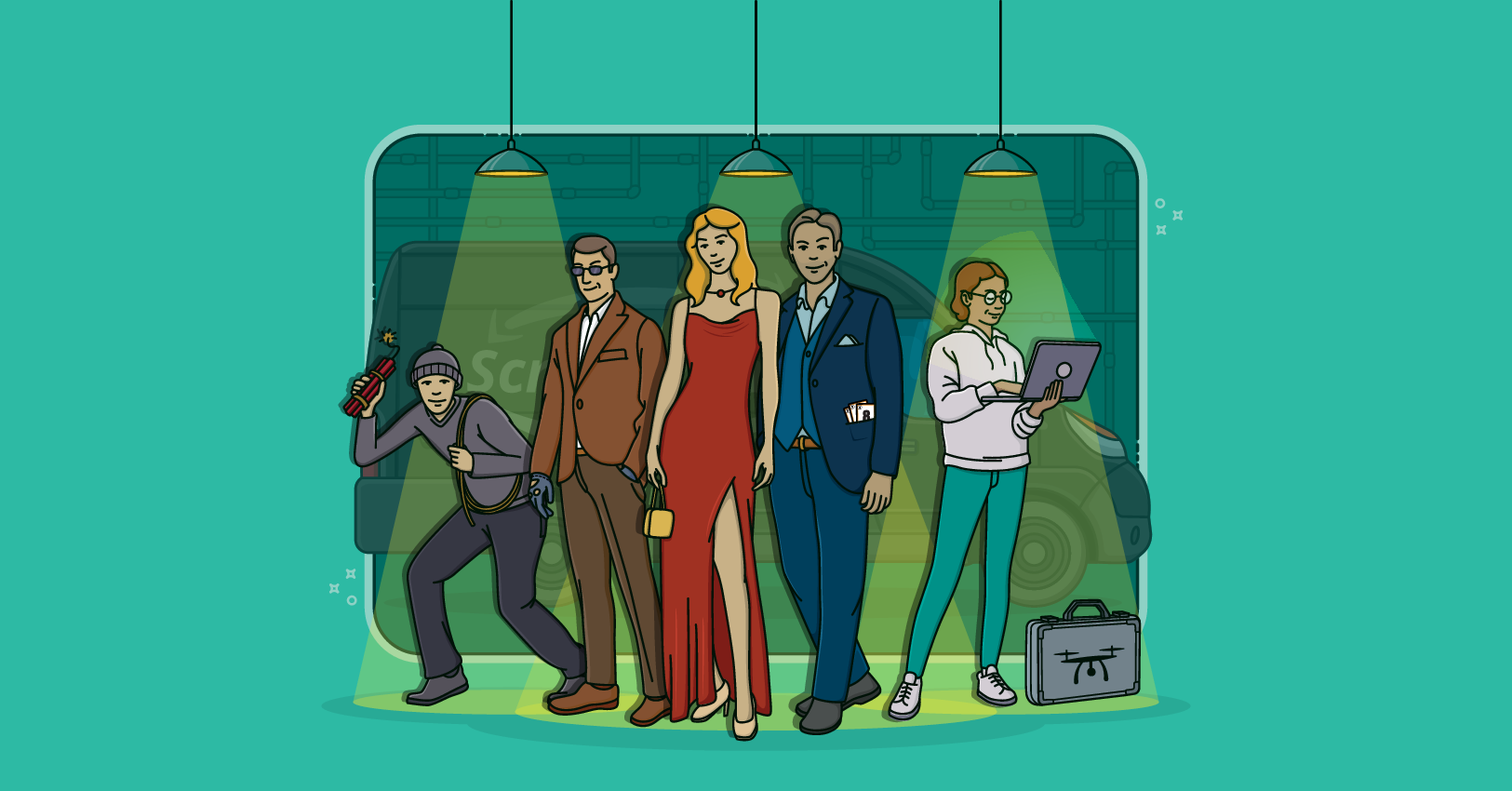
A focused explanation of what cross-functional means in Scrum and why it does not require everyone to do everything.
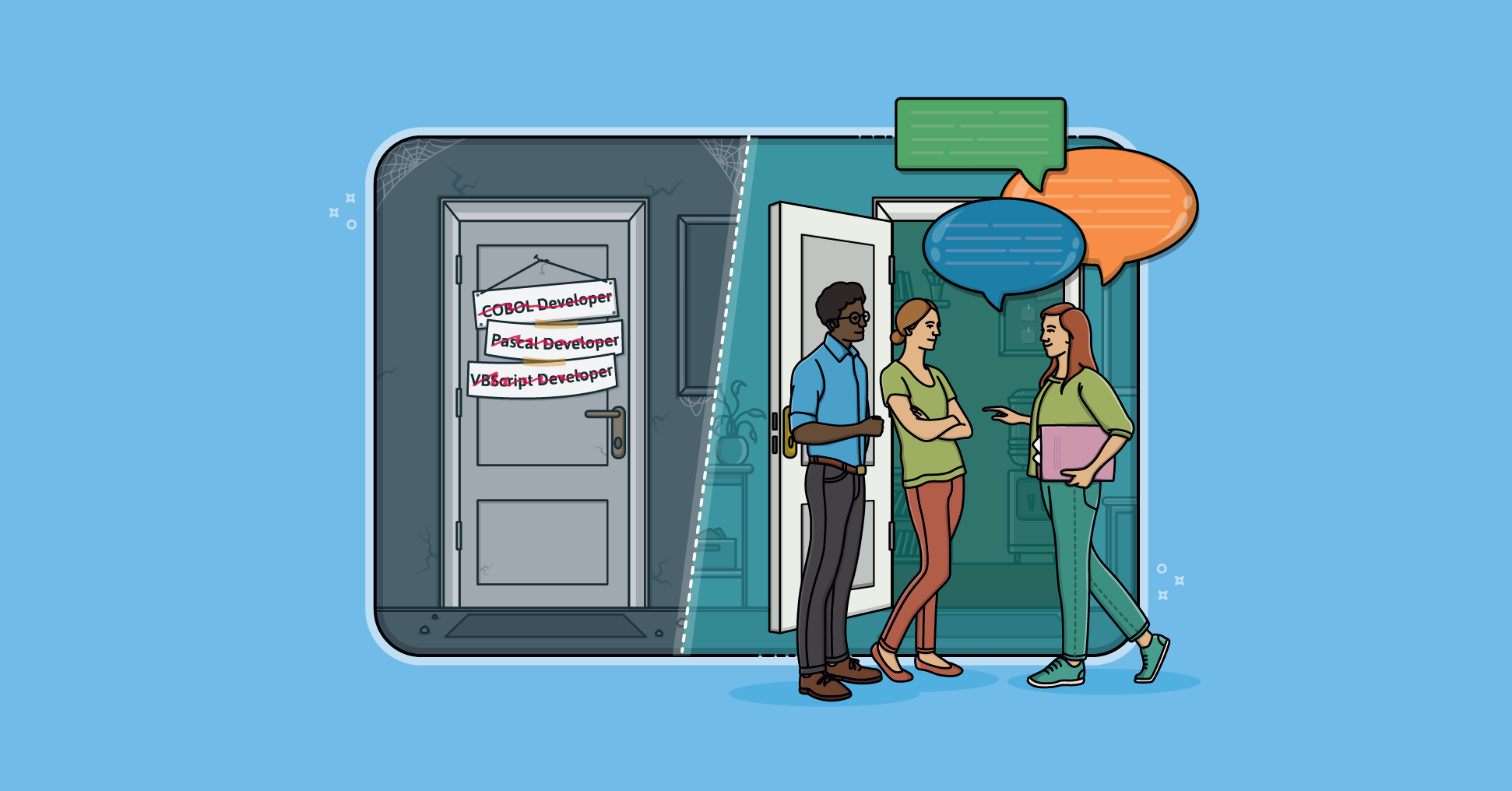
Technical skills matter, but collaboration, facilitation, empathy, and decision-making help teams use their skills well under pressure.
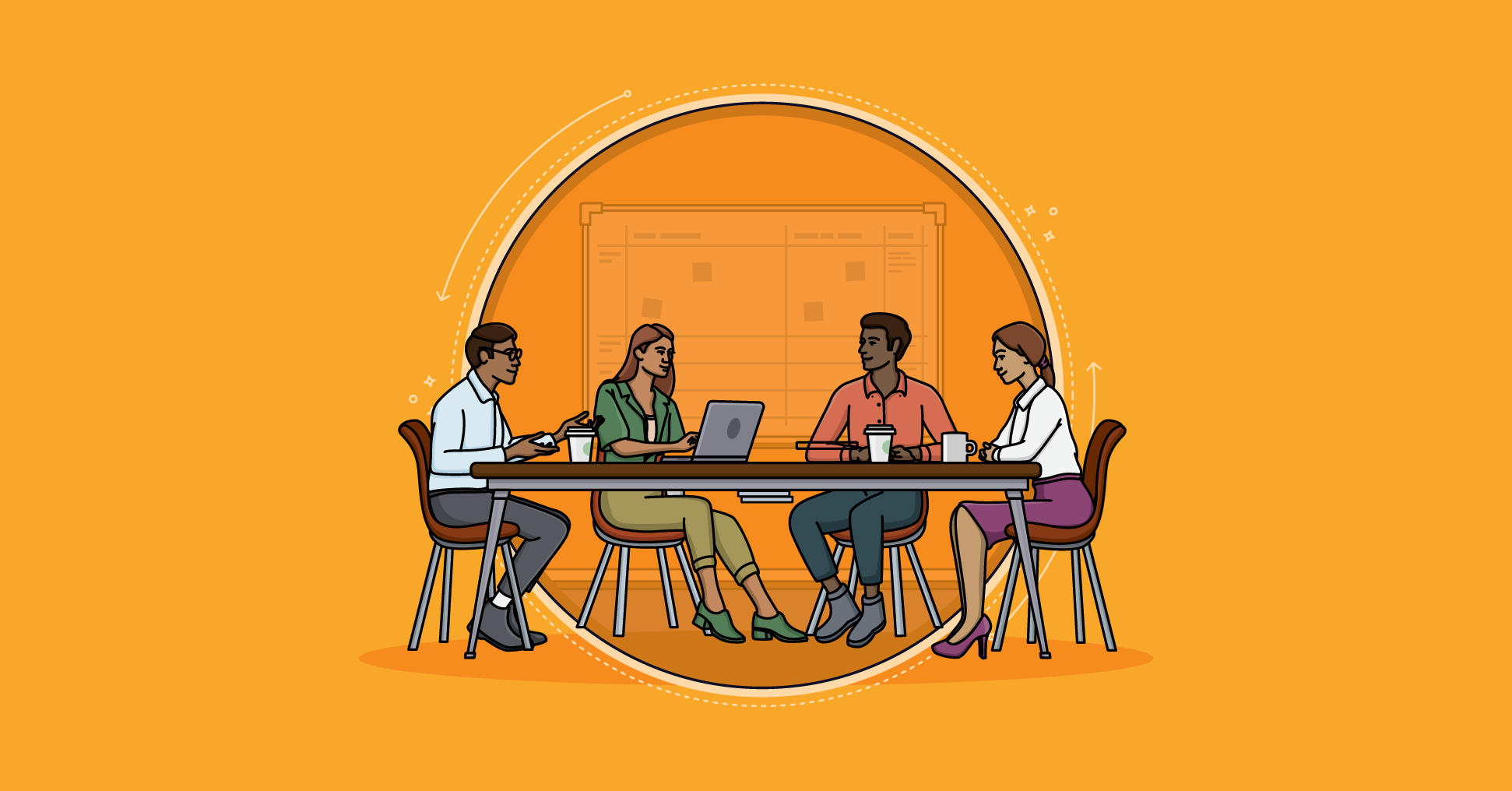
A useful article on why diverse thinking, shared purpose, and collaboration matter for innovative teams.