
A Product Owner has to help the team build the right things in the right order.
Scrum often uses the word “ordered” for the product backlog. I use “prioritize” here because it is the word most teams use when they decide what should be considered before something else.
Prioritizing well does not mean perfectly ranking every item in a long backlog. It means making better tradeoffs at the right level of detail.
Use a formal method when comparing big product choices during quarterly, milestone, release, or product-goal planning. Then use simpler methods and expert judgment to adjust the top of the backlog before each sprint.
Who This Page Is For
This page is for Product Owners who need to explain priority decisions, stakeholders who want a clearer way to discuss competing requests, and teams whose backlog is full of items that all seem equally important.
It will also help Scrum Masters and agile coaches who are helping teams move away from the loudest-stakeholder-wins style of prioritization.
In This Page
You will learn how to prioritize a product backlog at two levels: larger planning decisions and smaller sprint-by-sprint adjustments.
You will also learn why outcomes matter more than outputs, how value, learning, cost, risk, and dependencies affect priority, and where formal methods such as Relative Weighting or RICE can help.
Prioritizing and Ordering the Product Backlog
A product backlog is useful because it gives the team a clear signal about what matters next.
A backlog full of high-priority labels does not provide that signal. The Product Owner still has to decide what should be considered first, second, third, and not now.
Prioritization helps answer questions such as:
- What product outcome are we trying to improve?
- Which large initiatives deserve attention this quarter or milestone?
- What uncertainty should we reduce soon?
- What dependencies affect our choices?
- What can wait?
- What can be removed?
The Product Owner is accountable for product backlog priorities. Good prioritization, though, is informed by conversation. Developers understand technical risk, sequencing, dependencies, and implementation cost. Stakeholders understand market timing, customer commitments, sales opportunities, and business constraints. Customers and users provide evidence about what is valuable, painful, confusing, or unnecessary.
The Product Owner should seek that input, then make the priorities clear.
Use Two Levels of Prioritization
Product Owners often struggle when they try to use one prioritization approach for every decision.
The decision about which three big ideas deserve focus this quarter is different from the decision about whether one refined item should be above another before Sprint Planning.
Use two levels of prioritization.
Use Formal Methods for Quarterly or Milestone Planning
For bigger planning decisions, use a formal method.
Formal does not need to mean complicated. A formal method is a prioritization approach that is repeatable and explainable. When a stakeholder asks why one initiative was chosen over another, the Product Owner should have a better answer than “it felt right.”
Quarterly, milestone, release, or product-goal planning is the right time for this.
At that level, compare big things against other big things. Your organization may call them initiatives, themes, epics, features, capabilities, goals, or projects. The name matters less than the size. They should be large enough to discuss independently, often taking weeks or months rather than days.
Relative Weighting, RICE, Kano analysis, and similar approaches can help here. They make assumptions visible, give stakeholders a shared language for comparison, and make it easier to explain why one major direction is more important than another.
Use the method to improve thinking. Do not let the formula pretend to make the decision.
Use Lightweight Adjustments Before Each Sprint
Before each sprint, use a lighter approach.
By then, the larger product direction should already be clear. The Product Owner is usually adjusting priorities based on what the team learned, what has changed, and which refined items best support the next Sprint Goal.
Useful questions include:
- Which refined items best support the next Sprint Goal?
- What did we learn in the last sprint?
- Has anything changed with customers, stakeholders, competitors, or the product?
- Are any items now too large, too risky, or no longer valuable enough to bring into the sprint?
Simple approaches such as Now / Not Now, forced ranking of a few candidates, or Needs / Wants / Wishes can help.
Do not overwork these decisions. If two items are both safely inside the next milestone or product goal, it may not matter much whether one is item 4 and the other is item 5. Spend more energy on the top of the backlog and on the items near the line between what is likely to make the next milestone and what is not.
Focus on Outcomes, Not Outputs
Prioritize based on the outcome the work is expected to create.
An output is something the team produces. An outcome is the result the organization or users get because of what the team produced.
For example, “add three dashboard widgets” is an output. “Help managers identify overdue work sooner” is an outcome.
Outputs matter because they enable outcomes. But prioritizing only outputs can turn the backlog into a list of requests disconnected from product goals. A better conversation starts with the outcome and then asks whether the proposed work is the best way to create it.
Consider Five Prioritization Factors
Value is usually the first factor Product Owners consider. Value matters, but it rarely tells the whole story.
Be aware of five factors when prioritizing: value, learning, cost, risk, and dependencies. Treat these as reminders, not spreadsheet columns for every backlog item.
An item may move up because it creates important learning, reduces meaningful risk, or enables other valuable work. An item may move down because it costs too much for the benefit it provides, depends on something not yet available, or has little connection to the outcome being pursued now.
Use these factors to improve the conversation, not to make prioritization mechanical.
Compare Big Things Against Big Things
Formal prioritization works best when the items being compared are large enough to have independent value and cost.
A formal method is usually a poor way to rank a long list of tiny user stories. Small items are often too interdependent. Their value and cost are intertwined.
Imagine prioritizing parts of a car. Is the left front wheel more valuable than the right front wheel? That is not a useful debate. Each wheel is mandatory, and neither has much value without the other.
Comparing more legroom against a bigger engine is different. Those choices are large enough to discuss independently. They can be compared for value, cost, desirability, risk, learning, and strategic fit.
Use Judgment to Select the Best Subsets
A formal method can help identify the most important big ideas. It does not mean the team must finish all of one big idea before starting the next.
Suppose a word processor team decides the next planning period should focus on exporting documents, improving table formatting, and creating document templates.
The Product Owner may choose a useful subset of each. Perhaps only two export formats are needed now. Perhaps only the most common table-formatting improvements matter. Perhaps most of the document-template work should be included, but not all of it.
That is good prioritization. Use formal methods to compare big ideas. Then use Product Owner judgment, team input, and product goals to choose the best combination of smaller items from the winning ideas.
Adjust Priorities as the Team Learns
Prioritization and refinement influence each other.
The Product Owner prioritizes enough that the team knows which items deserve refinement soon. The team refines those items and learns more about size, risk, dependencies, acceptance criteria, and feasibility. That new information may change the priorities.
Priorities may also change after Sprint Reviews, customer conversations, stakeholder discussions, product metrics, production issues, competitor moves, or changes in business goals.
A Product Owner should not churn the backlog constantly. But the backlog should change when important new information appears.
Common Product Backlog Prioritization Mistakes
Treating Prioritization as a One-Time Decision
Prioritization is not something the Product Owner does once at the start of a project. Use a formal method periodically for bigger planning decisions, then make lighter adjustments as the team learns.
Trying to Prioritize Every Small Item Precisely
Do not spend time deciding whether item 147 should be above item 148. Items far down the backlog are likely to change, split, merge, or disappear.
Prioritizing Outputs Instead of Outcomes
A backlog full of outputs can keep a team busy without moving the product in the right direction. Prioritize based on the outcome the work is expected to create.
Ignoring Learning
Learning early can prevent weeks or months of unnecessary work. If a product backlog item can answer an important product or technical question, consider moving it earlier.
Letting Dependencies Dominate the Backlog
Dependencies matter, but they can become an excuse for doing technical work too early or in too many layers. Use dependencies to inform priorities, not replace product judgment.
Using a Formula Instead of Judgment
Formal methods help Product Owners think and explain. The Product Owner still remains accountable for making the best decision with the information available now.
Is Your Product Backlog Prioritized Well Enough?
Use these questions to find the next prioritization conversation the Product Owner and team may need to have.
- Can the Product Owner explain why the current top items matter now?
- Is there a product goal, milestone, or planning horizon guiding the decision?
- Are big initiatives compared using a repeatable and explainable method?
- Are sprint-level adjustments kept lightweight?
- Does the backlog focus on outcomes rather than only outputs?
- Have value, learning, cost, risk, and dependencies been considered?
- Do Developers have a chance to point out technical risk, sequencing, and dependencies?
- Does refinement change priorities when the team learns something important?
Common Questions About Product Backlog Prioritization
What Is Product Backlog Prioritization?
Product backlog prioritization is deciding which product backlog items, features, themes, or initiatives should be considered before others because they matter more now.
Is Prioritizing the Same as Ordering?
In practice, the terms are closely related. Scrum uses the word ordered for the product backlog. Product Owners usually need to prioritize: determine what should be dealt with first based on relative importance.
Who Prioritizes the Product Backlog?
The Product Owner is accountable for product backlog priorities. Developers, stakeholders, customers, users, support, sales, operations, and leaders may all provide useful input.
When Should We Use a Formal Prioritization Method?
Use a formal method when comparing big product choices, especially during quarterly, milestone, release, or product-goal planning.
Should We Use a Formal Method Before Every Sprint?
Usually not. Before each sprint, use lighter judgment based on what the team learned, the current product goal, the next Sprint Goal, refined backlog items, and meaningful new information.
Should We Prioritize User Stories One by One?
Only near the top of the backlog. Formal prioritization works better for larger items such as themes, epics, features, initiatives, or product goals.
What Factors Should a Product Owner Consider When Prioritizing?
A Product Owner should be aware of value, learning, cost, risk, and dependencies. These factors improve the conversation; they do not need to become a scoring spreadsheet for every item.
Can the Team Select Items Out of Priority Order During Sprint Planning?
Yes, when there is a good reason. The product backlog order is the starting point. The team may choose a lower item if it better supports the Sprint Goal, fits remaining capacity, pairs well with another item, or handles an important dependency. The Product Owner should be involved in that decision.
Recommended Articles and Pages
5 Key Factors for Effective Product Backlog Prioritization
A practical article on using value, cost, learning, risk, and dependencies to prioritize product backlog items.
Prioritizing Your Product Backlog
A presentation on ways to prioritize product backlog items and choose among competing product ideas.
Simplify Prioritization Into “Now” and “Not Now”
A lightweight approach for deciding what deserves attention soon.
Now Vs. Not-Now Prioritization Along with Medium-Term Goals
Guidance on combining near-term prioritization with a medium-term goal.
Needs, Wants, and Wishes on Your Product Backlog
A useful way to clarify what users need, want, and wish for.
Choose Backlog Items That Serve Two Purposes
Explains why some items deserve to move up when they deliver value while also reducing risk or increasing learning.
Product Owners Should Prioritize Importance Over Urgency
A helpful article for Product Owners who are pulled toward urgent requests instead of important outcomes.
Prioritize and Optimize Over a Slightly Longer Horizon
Explains why Product Owners should avoid optimizing only for the next sprint.
Related Pages
- Scrum Product Backlog: A Scrum-specific explanation of how the product backlog works as an artifact for transparency and ordering.
- Product Owner Role and Responsibilities: Explains the Product Owner accountability, including ownership of product backlog ordering.
- Sprint Planning Meeting: Useful when prioritization problems show up as weak Sprint Goals, overloaded sprints, or unclear tradeoffs during planning.
All Articles on This Subtopic
Explore all Mountain Goat Software articles related to product backlog prioritization, Product Owner tradeoffs, stakeholder decisions, value, cost, risk, learning, dependencies, outcomes, and product goals.
Product Backlog Prioritization
- 5 Key Factors for Effective Product Backlog Prioritization
- Simplify Prioritization into “Now” and “Not Now”
- Now vs. Not-Now Prioritization Along with Medium-Term Goals
- Needs, Wants, and Wishes on Your Product Backlog
- Choose Backlog Items That Serve Two Purposes
- Product Owners Should Prioritize Importance over Urgency
- Prioritize and Optimize Over a Slightly Longer Horizon
How to Prioritize a Product Backlog Resources
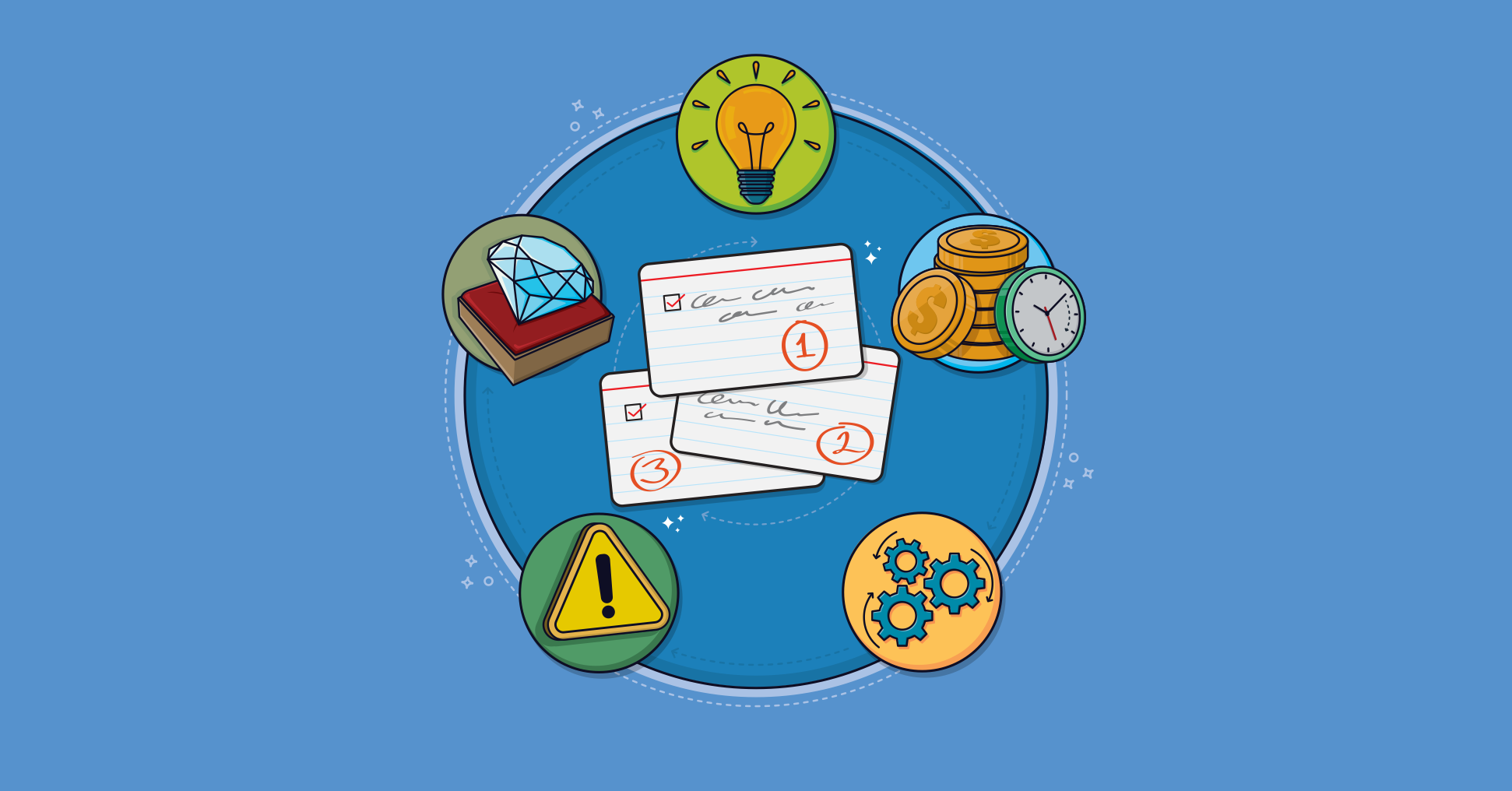
Confused about how to prioritize your backlog? These 5 factors will help to focus your efforts.
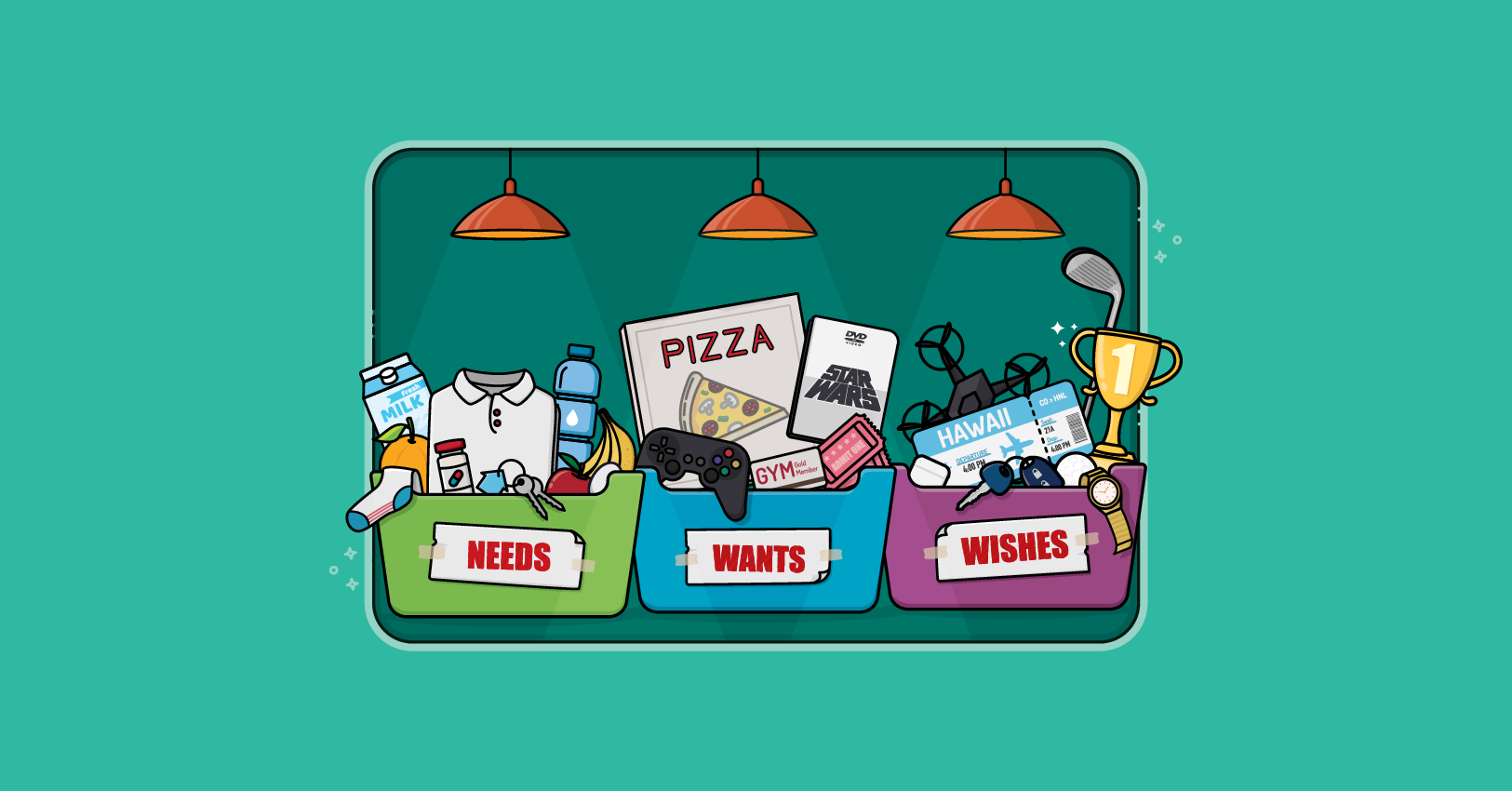
To prioritize a backlog, think about what users need, what they want, and what they merely wish for.