
Scrum Meetings
Scrum meetings help a Scrum Team plan, coordinate, inspect, and improve during each sprint.
Scrum officially calls these events. Most teams call them meetings. I’ll use meetings here because it is the term most people search for and say, while still explaining the official Scrum language where it matters.
The label matters less than whether each meeting helps the Scrum Team make a better decision.
What This Section Covers
This section gives you a high-level view of how the Scrum meetings work together.
It covers:
- Sprint Planning
- Daily Scrum
- Sprint Review
- Sprint Retrospective
The sprint itself is also a Scrum event. It contains the other Scrum meetings and creates the rhythm for inspection and adaptation.
This page is not meant to teach every meeting in detail. Use it to understand how the meetings connect, then go deeper on the specific meeting you want to improve.
How Scrum Meetings Fit Together
Scrum meetings create a feedback loop.
Sprint Planning starts the sprint with focus. The Scrum Team decides why the sprint matters, what can be done, and how Developers will begin working toward the Sprint Goal.
The Daily Scrum gives Developers a daily opportunity to inspect progress and adapt their plan. It helps the people doing the work coordinate around what has changed and what needs attention next.
The Sprint Review creates product feedback. The Scrum Team and stakeholders inspect the increment, discuss what was learned, and consider what should happen next with the product.
The Sprint Retrospective creates improvement feedback. The Scrum Team inspects how it worked and chooses changes that may help it become more effective.
Those meetings are not isolated calendar events. They are connected.
A weak Product Backlog makes Sprint Planning harder. Poor Sprint Planning makes the Daily Scrum harder. A weak increment makes the Sprint Review less useful. A weak Retrospective allows the same meeting problems to repeat sprint after sprint.
When the Scrum meetings work well together, the Scrum Team learns throughout the sprint instead of waiting until the end to discover what went wrong.
The Sprint Is the Container
The sprint is the container for the other Scrum meetings.
During a sprint, the Scrum Team turns selected Product Backlog items into a usable increment. The meetings help the Scrum Team inspect and adapt at different points in that cycle.
Sprint Planning asks:
What should we try to accomplish this sprint?
The Daily Scrum asks:
What do Developers need to adapt today to move toward the Sprint Goal?
The Sprint Review asks:
What did we learn from the increment, and what should happen next for the product?
The Sprint Retrospective asks:
What did we learn about how we worked, and how should we improve?
That rhythm matters. Scrum does not rely on one big planning meeting or one big review at the end of a long project. It creates frequent moments to inspect reality and adapt.
Pages in This Section
Sprint Planning
Sprint Planning starts the sprint.
The Scrum Team uses Sprint Planning to understand why the sprint matters, what Product Backlog items may be selected, and how Developers will begin turning that work into a done increment.
Daily Scrum
The Daily Scrum helps Developers inspect progress toward the Sprint Goal and adapt their plan for the next day of work.
It should be a coordination meeting for the people doing the work, not a status report to the Scrum Master, Product Owner, or manager.
Sprint Review
The Sprint Review helps the Scrum Team and stakeholders inspect the increment and discuss what should happen next.
It should create useful product feedback, not simply demonstrate completed work.
Sprint Retrospective
The Sprint Retrospective helps the Scrum Team inspect how it worked and choose improvements for the next sprint.
It should lead to real change, not the same conversation repeated every sprint.
How the Meetings Connect
The Scrum meetings should reinforce one another.
Sprint Planning creates the Sprint Goal and initial plan. The Daily Scrum helps Developers adapt that plan as they learn. The Sprint Review uses the increment to create product learning. The Sprint Retrospective uses the sprint experience to create process learning.
Each meeting depends on something from the others.
A Daily Scrum is more useful when Sprint Planning created a clear Sprint Goal. A Sprint Review is more useful when Developers have created a done increment. A Retrospective is more useful when the Scrum Team has paid attention to what happened during the sprint, not just how people feel at the end.
The meetings also help different conversations happen in the right place.
Product tradeoffs belong mostly in refinement, Sprint Planning, and the Sprint Review. Daily coordination belongs in the Daily Scrum. Process improvement belongs in the Retrospective. When every topic goes into every meeting, Scrum starts to feel heavy.
The goal is better inspection and adaptation, not more meetings.
Scrum Meetings Are for Decisions, Not Rituals
Scrum meetings become frustrating when people attend them because the calendar says to.
Each meeting should help the Scrum Team make or improve a decision:
- Sprint Planning helps the Scrum Team decide the Sprint Goal and initial plan.
- The Daily Scrum helps Developers decide how to adapt the plan today.
- The Sprint Review helps the Scrum Team and stakeholders decide what to do next with the product.
- The Sprint Retrospective helps the Scrum Team decide what to improve next.
If a meeting does not change understanding, focus, feedback, or behavior, it is worth inspecting.
That does not mean every meeting will feel dramatic. Many good Scrum meetings are calm and routine. But they should still create clarity.
What Makes Scrum Meetings Work
Good Scrum meetings are usually:
- Focused: People understand why the meeting exists.
- Prepared enough: The Scrum Team is not using the meeting to do work that should have happened earlier.
- Participatory: The right people contribute to the right conversation.
- Connected to artifacts: The Product Backlog, Sprint Backlog, increment, and Definition of Done are visible enough to support the conversation.
- Decision-oriented: The meeting leads to a clearer plan, better feedback, or a useful improvement.
- Lightweight: The meeting is no heavier than the decision requires.
The Scrum Master can help by coaching the Scrum Team on how to use each meeting well. But the meetings do not belong to the Scrum Master. They belong to the Scrum Team.
When Scrum Meetings Break Down
Meeting problems often reveal deeper Scrum problems.
Sprint Planning Becomes Refinement
Sprint Planning is hard when upcoming Product Backlog items are too large, vague, or poorly understood.
The fix is usually better Product Backlog refinement before Sprint Planning, not a longer Sprint Planning meeting.
The Daily Scrum Becomes Status Reporting
The Daily Scrum loses value when Developers report to the Scrum Master or a manager instead of coordinating with one another.
The meeting should help Developers inspect progress and adapt their plan, not prove that everyone is busy.
The Sprint Review Becomes a Demo
A demo can be part of a Sprint Review, but the Sprint Review should be more than a presentation.
The goal is to inspect the increment, discuss what was learned, and adapt future product decisions.
The Retrospective Produces No Change
Retrospectives become discouraging when the Scrum Team talks about the same issues sprint after sprint and nothing changes.
The Scrum Team does not need a long list of improvements. It needs one or two changes it will actually try.
Every Meeting Feels Like the Same Meeting
Scrum meetings feel heavy when the same topics are repeated everywhere.
That may mean the Scrum Team is unclear about the purpose of each meeting. It may also mean decisions are not being made where they should be made.
Are Your Scrum Meetings Working Together?
Use these questions to find the next conversation your Scrum Team may need:
- Does Sprint Planning create a clear Sprint Goal and a realistic starting plan?
- Does the Daily Scrum help Developers adapt their plan, or does it become status reporting?
- Does the Sprint Review create useful product feedback?
- Does the Sprint Retrospective lead to real improvement?
- Are Product Backlog items refined enough before Sprint Planning?
- Is the Sprint Backlog visible enough during the sprint?
- Is the increment done enough to inspect during the Sprint Review?
- Are meetings being used for decisions, or mostly for reporting?
- Are the right people in the right conversations?
- Is the Scrum Team improving how the meetings work from sprint to sprint?
Use the answers to decide whether the meetings are helping the Scrum Team inspect and adapt.
FAQ
Are Scrum Meetings the Same as Scrum Events?
Yes. Scrum officially calls them events.
Most teams call them meetings. I prefer meetings in most public copy because it is plain language, but events is the official Scrum term.
What Are the Scrum Meetings?
The Scrum meetings are Sprint Planning, Daily Scrum, Sprint Review, and Sprint Retrospective.
The sprint itself is also a Scrum event and contains the other Scrum meetings.
Are Scrum Meetings Required?
Scrum defines these events as part of the framework.
The practical reason to use them is not compliance. Each meeting creates a regular opportunity to inspect and adapt.
Who Attends Scrum Meetings?
It depends on the meeting.
The whole Scrum Team participates in Sprint Planning, Sprint Review, and Sprint Retrospective. The Daily Scrum is for Developers, though the Product Owner or Scrum Master may attend when doing so helps and does not distort the purpose of the meeting.
Are Scrum Meetings Just Status Meetings?
No.
Scrum meetings should help the Scrum Team inspect and adapt. If a meeting is mostly status reporting, it probably needs improvement.
Why Do Scrum Meetings Feel Like Too Much?
Scrum meetings often feel heavy when they are used for the wrong purpose.
For example, Sprint Planning becomes too long when refinement is weak. The Daily Scrum feels wasteful when it becomes reporting. The Sprint Review feels performative when there is no real feedback. The Retrospective feels pointless when nothing changes.
What Is the Difference Between Sprint Review and Sprint Retrospective?
The Sprint Review focuses on the product.
The Scrum Team and stakeholders inspect the increment and discuss what should happen next.
The Sprint Retrospective focuses on how the Scrum Team works.
The Scrum Team inspects its collaboration, process, tools, and Definition of Done, then chooses improvements.
Should Scrum Meetings Be Facilitated by the Scrum Master?
The Scrum Master often facilitates, especially while the Scrum Team is learning Scrum.
But facilitation should help the Scrum Team take ownership of the meeting. The goal is not for every meeting to depend on the Scrum Master.
Meetings Resources

A practical explanation of what Sprint Planning should accomplish.

Helpful for Scrum Teams whose Daily Scrums have become status reporting.

Explains why the Sprint Review should create product feedback, not just show completed work.
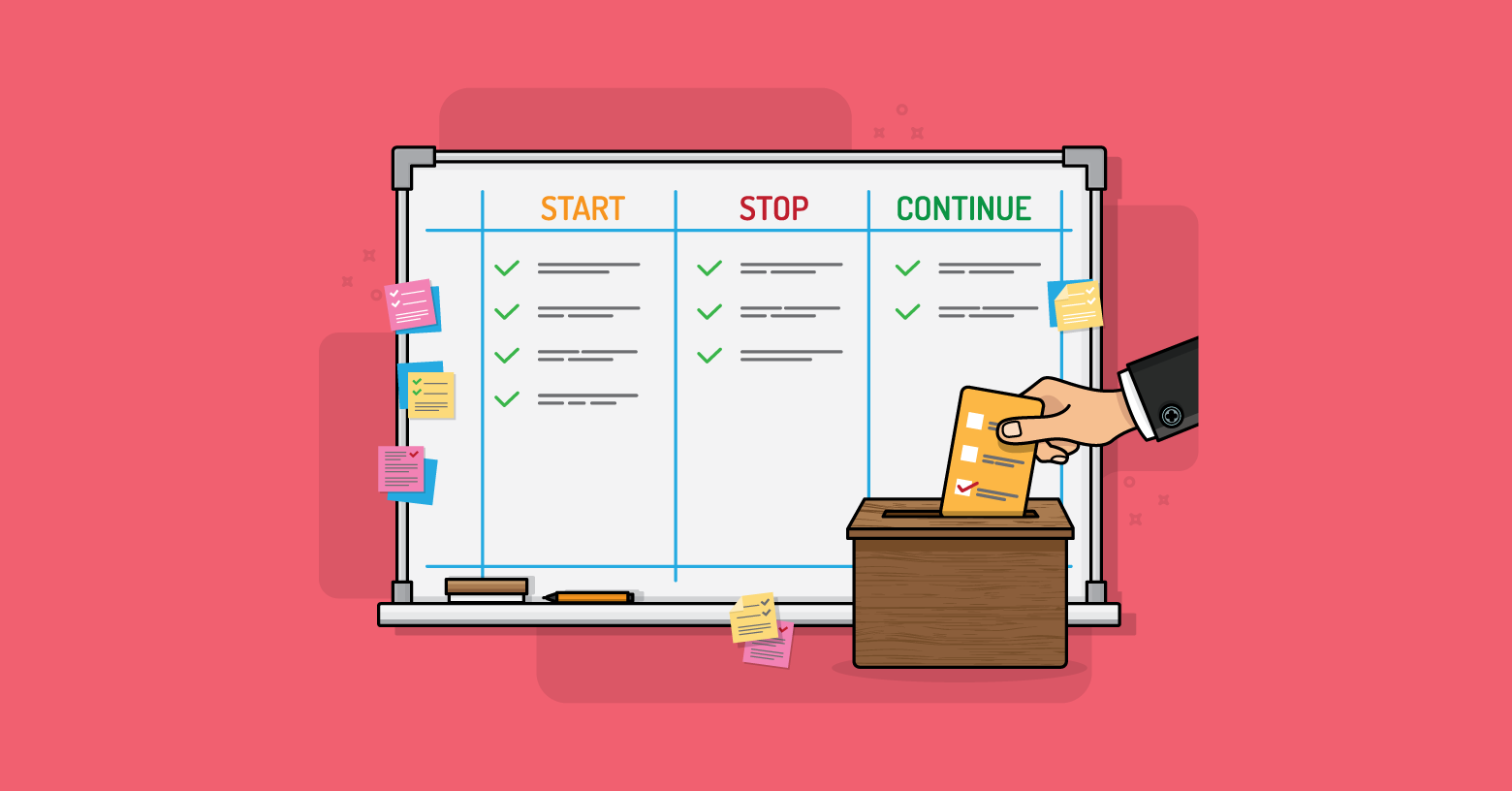
A simple retrospective format Scrum Teams can use to start improving.